Reaction equation

[Br:1][C:2]1[CH:3]=[C:4]([CH:7]=[CH:8][CH:9]=1)[CH:5]=O.[C:10]1(=[O:17])[CH2:15][CH2:14][CH2:13][C:12](=O)[CH2:11]1.[C:18]([O-])(=O)C.[NH4+].C(O)(=O)C.[NH:27]1[CH2:31][CH2:30]CC1>C(O)C.CC(C)=O>[Br:1][C:2]1[CH:3]=[C:4]([CH:5]2[C:11]3[C:10](=[O:17])[CH2:15][CH2:14][CH2:13][C:12]=3[NH:27][C:31]([CH3:30])=[CH:18]2)[CH:7]=[CH:8][CH:9]=1Participants
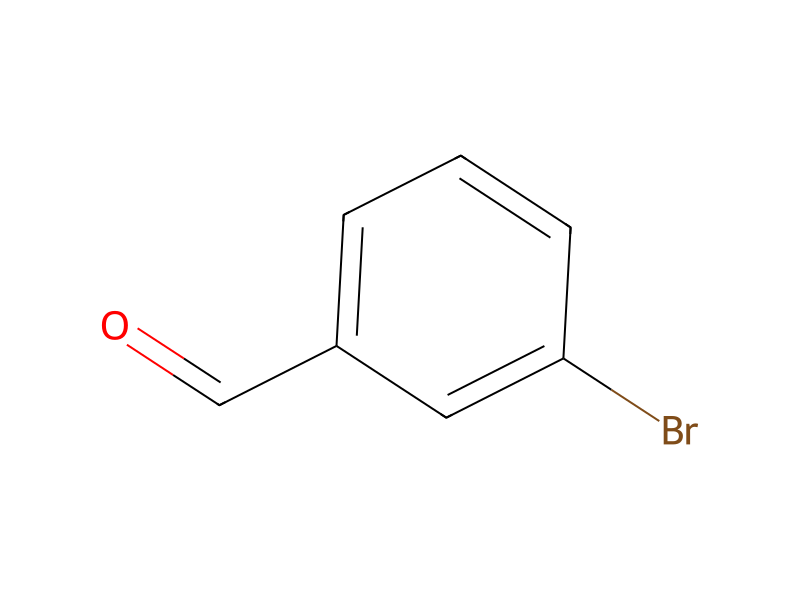
Reactant 4



Product 1

Reagents, catalysts & solvents 2


Procedure
A mixture of 3-bromobenzaldehyde (2.0 g), 1,3-cyclohexanedione (1.27 g) and ethanol (30 mL) was heated at reflux for three hours. Acetone (0.75 g), ammonium acetate (1.25 g) and a solution of pyrrolidine acetate (1.89 g) in 4 mL of ethanol was added and refluxing continued overnight. The mixture was cooled, filtered and the filtrate concentrated in vacuo. Chromatography (eluant: methylene chloride/methanol; 98/2) and trituration with ethyl ether provided the title compound (0.28 g) as a yellow solid, mp 187°-191° C.; NMR: 1.73 (s,3, CH3), 1.80-1.90 (m,2, CH2), 2.10-2.18 (m,2, CH2), 2.40-2.45 (m,2, CH2), 4.39 (d,1, J=4.7, CH), 4.59 (d,1, J=4.7, CH), 7.12-7.28 (m,4, Ar), 8.50 (s,1, NH; (CI, CH4) MS: m/z=320(M+1). Analysis for C16H16BrNO: Calculated: C, 60.39; H, 5.07; N, 4.40; Found: C, 60.19; H, 5.27; N, 4.10.
Workup
- temperaturewas heated
- temperatureat reflux for three hours
- temperaturerefluxing continued overnight
- temperatureThe mixture was cooled
- filtrationfiltered
- concentrationthe filtrate concentrated in vacuo
Sources & evidence
- ORD record
- ord-d27186ee6e414452abd9a4cf4c8cd414
- Source dataset
- uspto-grants-1997_04
- Patent number
- US05622964
Linked notes
Loading…