Reaction equation

[CH3:1][N:2]1[C:7]([CH3:8])=[CH:6][C:5]([OH:9])=[C:4]([C:10]([O:12]CC)=O)[C:3]1=[O:15].[NH2:16][C:17]1[S:18][C:19]([CH2:22][CH3:23])=[N:20][N:21]=1.BrC1C=CC=CC=1>>[CH2:22]([C:19]1[S:18][C:17]([NH:16][C:10]([C:4]2[C:3](=[O:15])[N:2]([CH3:1])[C:7]([CH3:8])=[CH:6][C:5]=2[OH:9])=[O:12])=[N:21][N:20]=1)[CH3:23]Participants
4
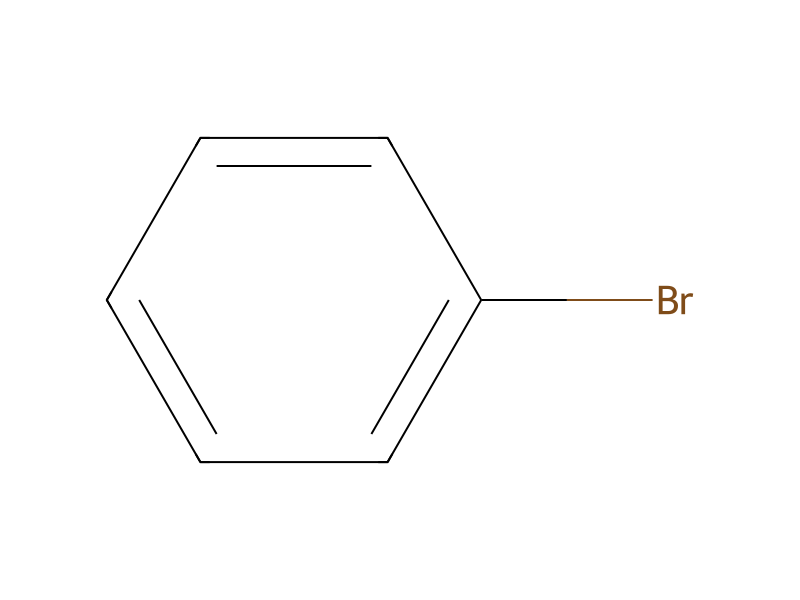


Procedure
212 mg of ethyl 1,6-dimethyl-4-hydroxy-2-oxo-1,2-dihydropyridine-3-carboxyl ate and 117 mg of 2-amino-5-ethyl-1,3,4-thiadiazole were added to 2.5 ml of bromobenzene, then, the mixture was stirred for 5 hours under heat refluxing condition. The reaction mixture was cooled to room temperature. The resulting solid was collected by filtration, and washed with a mixed solvent of t-butyl methyl ether and hexane and dried to obtain 200 mg of N-(5-ethyl-1,3,4-thiadiazol-2-yl)-1,6-dimethyl-4-hydroxy-2-oxo-1,2-dihydropyridine-3-carboxamide (hereinafter, referred to as present compound 17) represented by the formula:
Workup
- temperatureunder heat
- temperaturerefluxing condition
- filtrationThe resulting solid was collected by filtration
- washwashed with a mixed solvent of t-butyl methyl ether and hexane
- customdried
Sources & evidence
- ORD record
- ord-008d7ea3ab9c43b4b8047dbcffcbac70
- Source dataset
- uspto-grants-2011_05
- Patent number
- US07935716B2
Linked notes
Loading…