HomeMCPWorkbenchSkills
HomeWorkbenchNotificationsMe
llms.txt · MCP GuidePrivacy Policy · Terms of Service · Supportv1.8.0
  1. Home
  2. /Reaction

Ammonia → N2 (phenylacetyl)-guanosine

HRID 54641
Notes
Print preview

Reaction equation

HRID 54641 reaction equation
[C@@H:1]1([N:10]2[C:20]3[N:19]=[C:17]([NH2:18])[NH:16][C:14](=[O:15])[C:13]=3[N:12]=[CH:11]2)[O:9][C@H:6]([CH2:7][OH:8])[C@@H:4]([OH:5])[C@H:2]1[OH:3].C[Si](Cl)(C)C.[C:26]1([CH2:32][C:33](Cl)=[O:34])[CH:31]=[CH:30][CH:29]=[CH:28][CH:27]=1.[NH3:36].[K+].[Br-]>N1C=CC=CC=1.CCO.O>[N:36]#[N:10].[C:26]1([CH2:32][C:33]([C@@:1]2([N:10]3[C:20]4[N:19]=[C:17]([NH2:18])[NH:16][C:14](=[O:15])[C:13]=4[N:12]=[CH:11]3)[O:9][C@H:6]([CH2:7][OH:8])[C@@H:4]([OH:5])[C@H:2]2[OH:3])=[O:34])[CH:31]=[CH:30][CH:29]=[CH:28][CH:27]=1
ParticipantsProcedureWorkupSources & evidenceReaction notes

Participants

9

Reactant 5

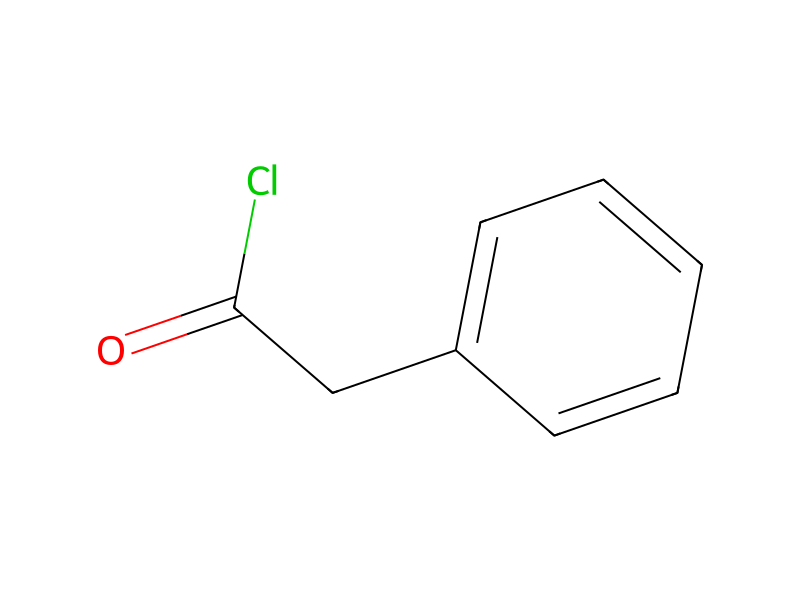
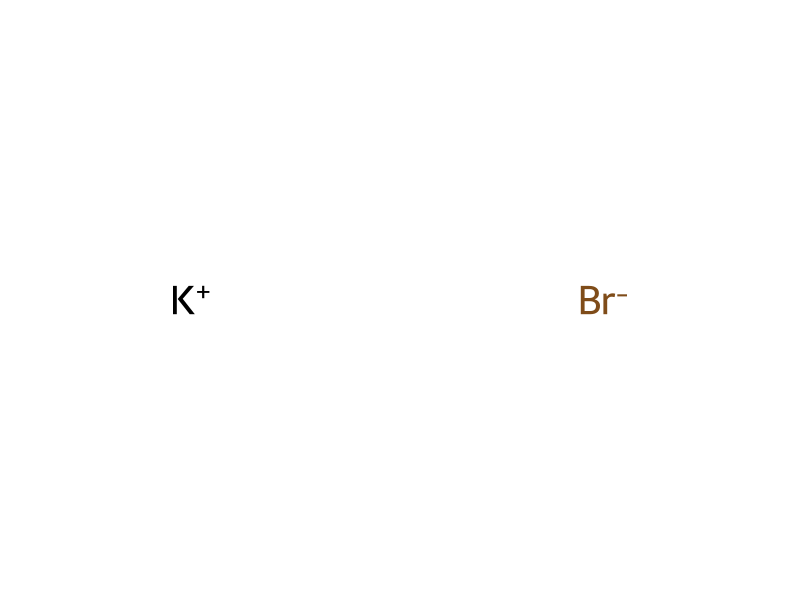
HCID 222AmmoniaHCID 6397ChlorotrimethylsilaneHCID 7679Phenylacetyl chlorideHCID 253877Potassium BromideHCID 135398635Guanosine

Product 1

HCID 136381147N2 (phenylacetyl)-guanosineYield 59%

Reagents, catalysts & solvents

3
HCID 702EthanolSolventHCID 962WaterSolventHCID 1049PyridineSolvent2×

Procedure

Guanosine 5 (10.19 g, 36 mmoles) was dried three times by coevaporation with dry pyridine and suspended in 200 ml of dry pyridine. To this was added trimethylsilyl chloride (24 ml, 180 mmoles) at room temperature. After the solution was stirred for 1 hour at room temperature, phenylacetyl chloride (24 ml, 180 mmoles) was added dropwise and the solution was maintained at room temperature with mechanical stirring for 15 hours. The reaction mixture was cooled in an ice bath, and 75 ml of cold water added. After 30 minutes, 75 ml of 29% aqueous ammonia was added and the reaction mixture was stirred for 30 minutes. The solution was then evaporated to near dryness, and the residue was dissolved in 300 ml water and 300 ml methylene chloride. The product crystallizing out of the aqueous solution upon extraction with CH2Cl2 was filtered off, washed with CH2Cl2 (3×70 ml) and ether (3×70 ml) and air dried to yield 8.5 g (59% yield) of Ribo GPA 6. The product was characterized as follows: m.p. 160°-170° C. (dec.); UV (EtOH): λ max 280 nm and 258 nm; IR (KBr): ν 1680 (vs, C=O of amide), 1722 (s, C=O of amide ring), and 3000-3500 (NHOH) cm-1 ; 1H-NMR (DMSO-d6): δ 3.53 and 3.57 (2m, 2H, C5, CH2), 3.81 (s, 2H, C6H5CH2), 3.91 (d, 1H, C4'H), 4.13 (m, 1H, C3' H), 4.42 (d, 1H, C2' H), 5.08 (br, s, 1H, C5' OH), 5.21 (br, s, 1H, C3' OH), 5.81 (d, 1H, J1',2' =5.64 Hz, C1' H), 7.26-7.41 (m, 5H, C6H5), 8.28 (s, 1H, C8H), 11.99 and 12.01 (2s, 2H, 2×NHCO). Calcd for C18H19N5O6 (401.37): C, 53.86; H, 4.77; N, 17.45. Found: C, 53.49; H, 5.11; N, 17.36

Workup

  1. temperaturethe solution was maintained at room temperature
  2. stirringwith mechanical stirring for 15 hours
  3. temperatureThe reaction mixture was cooled in an ice bath
  4. waitAfter 30 minutes
  5. stirringthe reaction mixture was stirred for 30 minutes
  6. customThe solution was then evaporated
  7. dissolutionthe residue was dissolved in 300 ml water
  8. customThe product crystallizing out of the aqueous solution upon extraction with CH2Cl2
  9. filtrationwas filtered off
  10. washwashed with CH2Cl2 (3×70 ml) and ether (3×70 ml) and air
  11. customdried
  12. customto yield 8.5 g (59% yield) of Ribo GPA 6

Sources & evidence

ORD record
ord-e367d03f3de449a78c7cdb41e874be5b
Source dataset
uspto-grants-1997_04
DOI
10.6084/m9.figshare.5104873.v1
Patent number
US05623068

Reaction notes

Loading…

On this pageParticipantsProcedureWorkupSources & evidenceReaction notes