Acetic Acid → 3,4-Diacetoxy-1-butene
Reaction equation

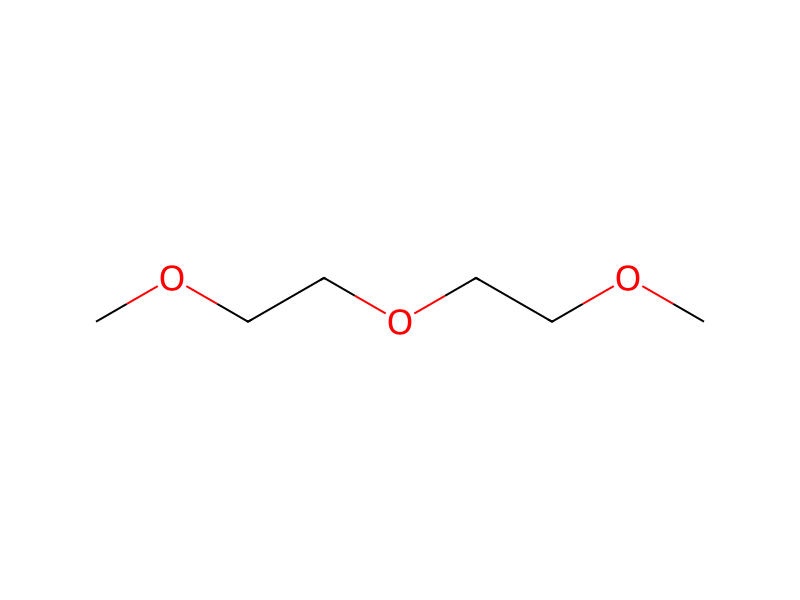
[O:1]1[CH2:5][CH:2]1[CH:3]=[CH2:4].[C:6]([O:9]C(=O)C)(=[O:8])[CH3:7].[C:13](O)(=[O:15])[CH3:14]>COCCOCCOC>[C:6]([O:9][CH:2]([CH2:5][O:1][C:13](=[O:15])[CH3:14])[CH:3]=[CH2:4])(=[O:8])[CH3:7]Participants
Reactant 3



Product 1

Reagents, catalysts & solvents 1
Conditions
- Temperature
- 125 °C
Procedure
A 300-mL autoclave was charged with 40 mL (0.50 mol) of 3,4-epoxy-1-butene, 67.3 g (0.66 mol) acetic anhydride, 5.82 g (0.097 mol) of acetic acid and 4.2 mL of diglyme. The autoclave was purged with nitrogen twice, then the vessel was pressurized to 8 bars (100 psig) with nitrogen. The agitator was started and an initial sample was taken. The mixture was heated to 125° C. During the course of 2.5 hrs, samples were taken every 15 min for analysis by GC. GC analysis of the crude mixture after 2.5 hrs revealed 11% yield of 3,4-diacetoxy-1-butene with a 13% selectivity, 21% 3,4-epoxy-1-butene and numerous high boiling components. The reaction was observed to be first order in 3,4-epoxy-1-butene with a first order rate constant (Kfirst) of 0.0025 min-1 (Table A). This example illustrates low yield and selectivity in the absence of a tertiary amine and the inefficient catalysis of the reaction in the presence of the carboxylic acid alone.
Workup
- customThe autoclave was purged with nitrogen twice
- waitGC analysis of the crude mixture after 2.5 hrs revealed
Sources & evidence
- ORD record
- ord-7ecb83942ea440319dc3cf3eb9a62ee8
- Source dataset
- uspto-grants-1997_04
- Patent number
- US05623086
Reaction notes
Loading…