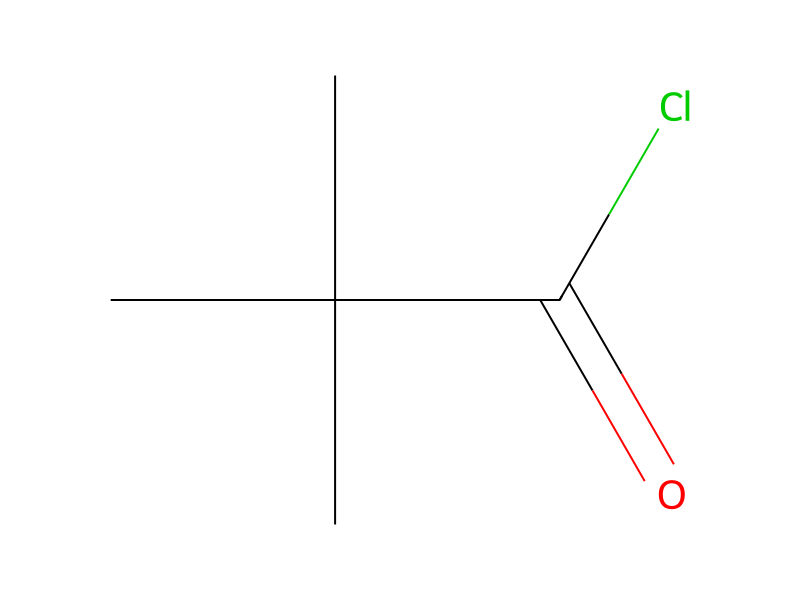
To a slurry of 5-bromo-4,7-diazaindole (1.97 g, 9.95 mmol) in 40 mL of dichloromethane at 0-5° C. was added diethylaluminum chloride (1.0 M in hexane, 30 mL, 30 mmol). The reaction mixture was stirred at 0-5° C. for 30 min., then pivaloyl chloride (12 mL, 97 mmol) was added. The mixture was heated to reflux and stirred for 15 h, then cooled to 0-5° C. Sat. aq. NaHCO3 (40 mL) was carefully added, and the mixture was then partitioned between 300 mL of a sat. aq. NaCl solution and 300 mL of ethyl acetate. The mixture was filtered through a plug of celite and the layers were separated. The aqueous layer was extracted with 300 mL of ethyl acetate. The combined organic layers were dried over MgSO4, filtered, and concentrated to a residue. Silica gel chromatography (20->60% EtOAc/hexanes) afforded 2.50 g (89%) of 1-(2-bromo-5H-pyrrolo[2,3-b]pyrazin-7-yl)-2,2-dimethyl-propan-1-one as an off-white solid.