Reaction equation

[C:1](Cl)(=[O:4])[CH:2]=[CH2:3].C([N:8]([CH2:11][CH3:12])CC)C.[C:13]12(N)[CH2:19][CH:17]([CH2:18]1)[CH2:16][CH2:15]C2.[CH2:21](OCC)C>>[CH3:21][C:16]1([CH3:15])[CH:12]2[CH2:18][CH:17]1[CH2:19][CH2:13][CH:11]2[NH:8][C:1](=[O:4])[CH:2]=[CH2:3]Participants
5




Procedure
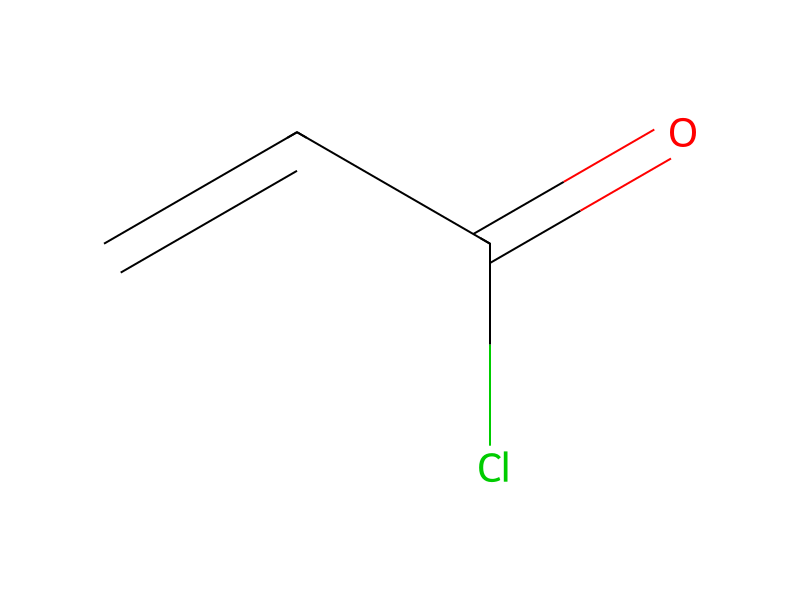
Following the procedure of Example 3, a solution of acryloyl chloride (4.05 ml, 0.05 mole) in ethyl ether (50 ml) was added dropwise to a cold 5° C. mixture of triethylamine (15.3 ml, 0.11 mole) and norpinylamine (6.96; g, 0.05 mole) in ethyl ether (400 ml). The reaction was allowed to warm to room temperature and stirred for 72 hours. The light tan solid was filtered and washed well with ethyl ether. The solvent and triethylamine were removed, leaving the title product as an oily solid. The structure was confirmed by NMR.
Workup
- filtrationThe light tan solid was filtered
- washwashed well with ethyl ether
- customThe solvent and triethylamine were removed
Sources & evidence
- ORD record
- ord-0c853584f40147fcac7748a5dc4bc09f
- Source dataset
- uspto-grants-1993_09
- Patent number
- US05244899
Linked notes
Loading…