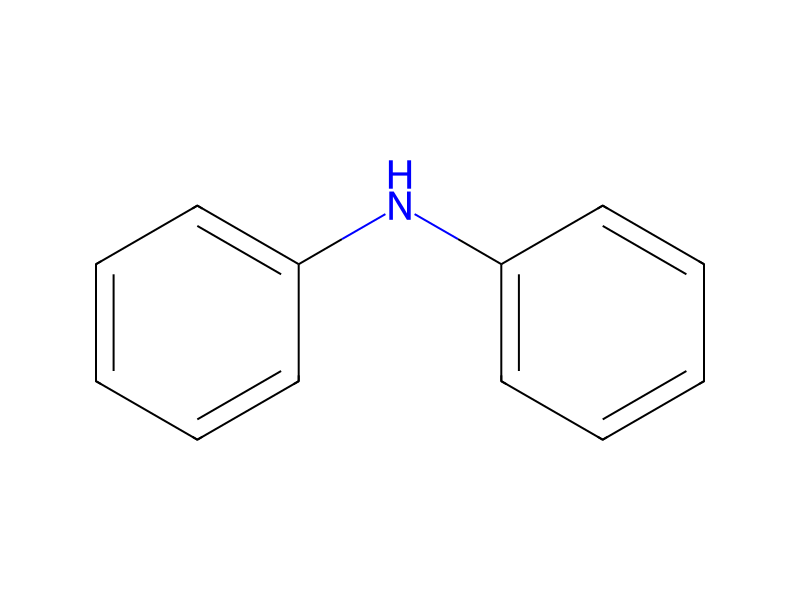
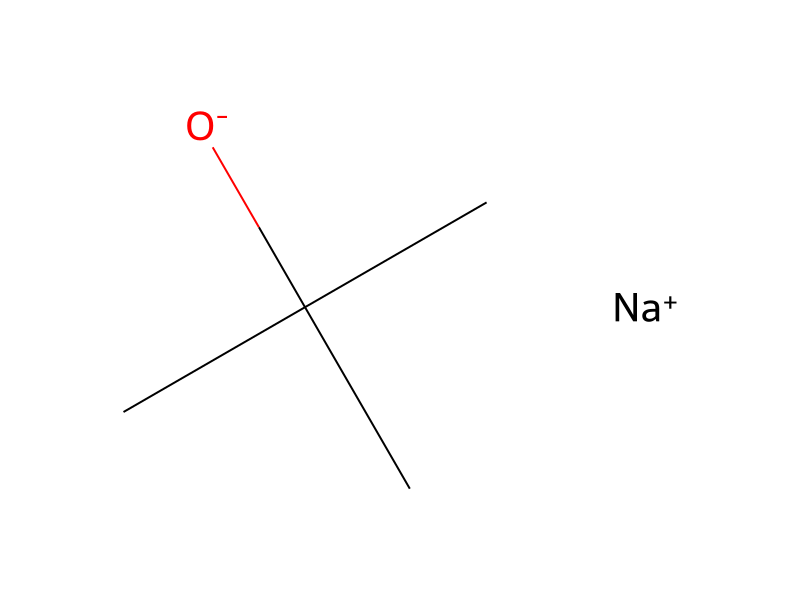
[C:1]1([NH:7][C:8]2[CH:13]=[CH:12][CH:11]=[CH:10][CH:9]=2)[CH:6]=[CH:5][CH:4]=[CH:3][CH:2]=1.Br[C:15]1[C:16]([CH3:25])=[C:17]([CH3:24])[C:18]([Br:23])=[C:19]([CH3:22])[C:20]=1[CH3:21].CC(C)([O-])C.[Na+]>C1C=CC(/C=C/C(/C=C/C2C=CC=CC=2)=O)=CC=1.C1C=CC(/C=C/C(/C=C/C2C=CC=CC=2)=O)=CC=1.C1C=CC(/C=C/C(/C=C/C2C=CC=CC=2)=O)=CC=1.[Pd].[Pd].P(C(C)(C)C)(C(C)(C)C)C(C)(C)C>[Br:23][C:18]1[C:17]([CH3:24])=[C:16]([CH3:25])[C:15]([N:7]([C:8]2[CH:9]=[CH:10][CH:11]=[CH:12][CH:13]=2)[C:1]2[CH:6]=[CH:5][CH:4]=[CH:3][CH:2]=2)=[C:20]([CH3:21])[C:19]=1[CH3:22]An apparatus for working under inert conditions and exclusion of moisture is initially charged with 0.1 mol of diphenylamine, 0.4 mol of dibromodurene and 0.12 mol of sodium tert-butoxide. The catalyst used for C—N coupling is Pd2(dba)3/(t-Bu)3P=⅙ in a concentration of 1 mol % based on the amine. The reaction solution is heated at reflux until diphenylamine can no longer be detected by TLC comparison. For workup, the reaction solution is washed to neutrality and the organic phase is extracted. Afterward, the solvent is removed under reduced pressure, 200 ml of cyclohexane are added and the insoluble crystal slurry is filtered off with suction from dibromodurene. The filtrate is concentrated until crystallization commences again and chromatographed on silica gel with cyclohexane. Checking by HPLC-MS coupling (C18RP/10 μm/methanol/RT=7.06 min/99%, M+=379).