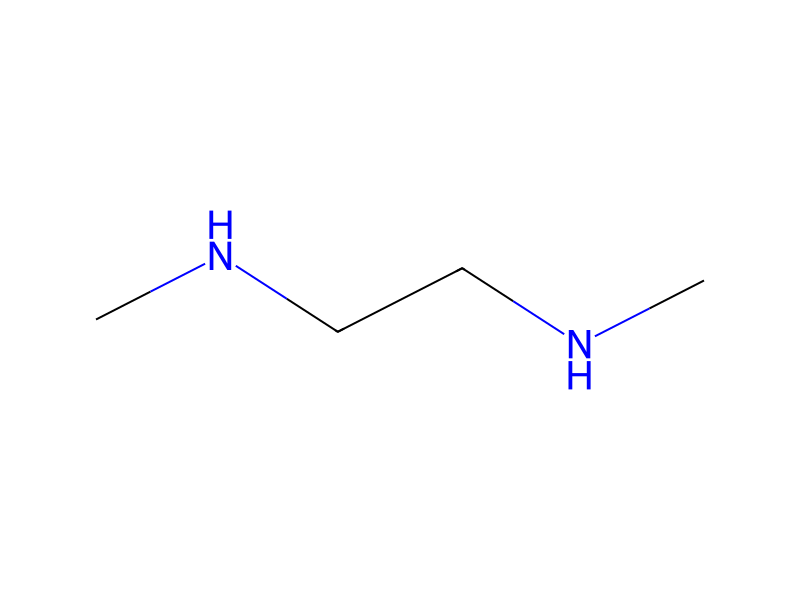
N,N'-Dimethylethylenediamine → 3-(2-amino-6-quinazolinyl)-1-(3-chlorophenyl)-4-methyl-2(1H)-pyridinone
Reaction equation

[NH2:1][C:2]1[N:11]=[CH:10][C:9]2[C:4](=[CH:5][CH:6]=[C:7]([C:12]3[C:13](=[O:19])[NH:14][CH:15]=[CH:16][C:17]=3[CH3:18])[CH:8]=2)[N:3]=1.P([O-])([O-])([O-])=O.[K+].[K+].[K+].[Cl:28][C:29]1[CH:34]=[CH:33][CH:32]=[C:31](I)[CH:30]=1.CNCCNC>[Cu]I.O1CCOCC1>[NH2:1][C:2]1[N:11]=[CH:10][C:9]2[C:4](=[CH:5][CH:6]=[C:7]([C:12]3[C:13](=[O:19])[N:14]([C:31]4[CH:32]=[CH:33][CH:34]=[C:29]([Cl:28])[CH:30]=4)[CH:15]=[CH:16][C:17]=3[CH3:18])[CH:8]=2)[N:3]=1Participants
7