HomeMCPWorkbenchSkills
HomeWorkbenchNotificationsMe
llms.txt · MCP GuidePrivacy Policy · Terms of Service · Supportv1.8.3
  1. Home
  2. /Reaction

Dicyclohexylcarbodiimide → 5-L-valyloxy-7-chloro-1-[2-methyl-4-(2-methylbenzoylamino)-benzoyl]-2,3,4,5-tetrahydro-1H-benzazepine

HRID 5585
Print

Reaction equation

HRID 5585 reaction equation
[OH:1][CH:2]1[C:8]2[CH:9]=[C:10]([Cl:13])[CH:11]=[CH:12][C:7]=2[N:6]([C:14](=[O:32])[C:15]2[CH:20]=[CH:19][C:18]([NH:21][C:22](=[O:30])[C:23]3[CH:28]=[CH:27][CH:26]=[CH:25][C:24]=3[CH3:29])=[CH:17][C:16]=2[CH3:31])[CH2:5][CH2:4][CH2:3]1.CN(C1C=CC=CN=1)C.Cl.CN(C1C=CC=CN=1)C.C(OC([NH:62][C@H:63]([C:67](O)=[O:68])[CH:64]([CH3:66])[CH3:65])=O)C1C=CC=CC=1.C1(N=C=NC2CCCCC2)CCCCC1>C(Cl)(Cl)Cl.C(O)(=O)C.C(OCC)(=O)C.[Pd].CO>[NH2:62][C@H:63]([C:67]([O:1][CH:2]1[C:8]2[CH:9]=[C:10]([Cl:13])[CH:11]=[CH:12][C:7]=2[N:6]([C:14](=[O:32])[C:15]2[CH:20]=[CH:19][C:18]([NH:21][C:22](=[O:30])[C:23]3[CH:28]=[CH:27][CH:26]=[CH:25][C:24]=3[CH3:29])=[CH:17][C:16]=2[CH3:31])[CH2:5][CH2:4][CH2:3]1)=[O:68])[CH:64]([CH3:66])[CH3:65]

ParticipantsProcedureWorkupSources & evidenceReaction notes

Participants

11

Reactant 5

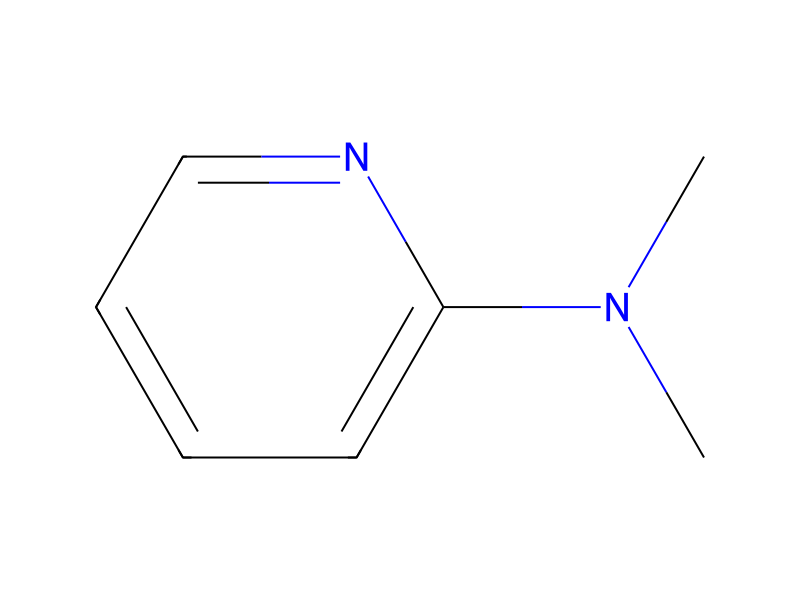
HCID 10868DicyclohexylcarbodiimideHCID 218852-DimethylaminopyridineHCID 216237TolvaptanHCID 726987N-Carbobenzoxy-L-valineHCID 22461520Dimethylaminopyridine hydrochloride

Product 1

HCID 54144642
5-L-valyloxy-7-chloro-1-[2-methyl-4-(2-methylbenzoylamino)-benzoyl]-2,3,4,5-tetrahydro-1H-benzazepine
Yield 38.5%

Reagents, catalysts & solvents 5

HCID 23938PalladiumCatalystHCID 176Acetic AcidSolvent2×HCID 887MethanolSolventHCID 6212ChloroformSolventHCID 8857Ethyl AcetateSolvent

Procedure

To a solution of 5-hydroxy-7-chloro-1-[2-methyl-4-(2-methylbenzoylamino)benzoyl]-2,3,4,5-tetrahydro-1H-benzazepine (1.0 g), dimethylaminopyridine (1.26 g) and dimethylaminopyridine hydrochloride (1.10 g) in chloroform (20 ml) are added N-benzyloxycarbonyl-L-valine (672 mg) and dicyclohexylcarbodiimide (1.42 g), and the mixture is stirred at room temperature for 7 hours. To the mixture are added methanol (3 ml) and acetic acid (0.7 ml), and the mixture is stirred at room temperature for 30 minutes. The insoluble materials are removed by filtration, and to the filtrate is added 5% aqueous sodium hydrogen sulfate solution, and further extracted with dichloromethane. The extract is washed successively with saturated aqueous sodium hydrogen carbonate solution and saturated brine, dried over magnesium sulfate, and the solvent is distilled off under reduced pressure to give crude 5-N-benzyloxycarbonyl-L-valyloxy-7-chloro-1-[2-methyl-4-(2-methylbenzoylamino)-benzoyl]-2,3,4,5-tetrahydro-1H-benzazepine (2.0 g). This product is dissolved in a mixture of acetic acid (15 ml) and ethyl acetate (15 ml), and thereto is added 5% Pd-C (0.3 g). The mixture is subjected to hydrogenation at ordinary room temperature under atmospheric pressure. After hydrogenation, the catalyst is removed by filtration, and the filtrate is concentrated. The resulting residue is purified by silica gel column chromatography (eluent; ethyl acetate) to give Isomer A (0.48 g) and Isomer B (0.47 g) of 5-L-valyloxy-7-chloro-1-[2-methyl-4-(2-methylbenzoylamino)-benzoyl]-2,3,4,5-tetrahydro-1H-benzazepine.

Workup

  1. stirringthe mixture is stirred at room temperature for 30 minutes
  2. customThe insoluble materials are removed by filtration
  3. additionto the filtrate is added 5% aqueous sodium hydrogen sulfate solution
  4. extractionfurther extracted with dichloromethane
  5. washThe extract is washed successively with saturated aqueous sodium hydrogen carbonate solution and saturated brine
  6. dry with materialdried over magnesium sulfate
  7. distillationthe solvent is distilled off under reduced pressure
  8. customto give crude 5-N-benzyloxycarbonyl-L-valyloxy-7-chloro-1-[2-methyl-4-(2-methylbenzoylamino)-benzoyl]-2,3,4,5-tetrahydro-1H-benzazepine (2.0 g)
  9. customis subjected to hydrogenation at ordinary room temperature under atmospheric pressure
  10. customAfter hydrogenation, the catalyst is removed by filtration
  11. concentrationthe filtrate is concentrated
  12. customThe resulting residue is purified by silica gel column chromatography (eluent; ethyl acetate)

Sources & evidence

ORD record
ord-dc7d68fa76f84aebbe68d0076ffab1c1
Source dataset
uspto-grants-1993_09
DOI
10.6084/m9.figshare.5104873.v1
Patent number
US05244898

Reaction notes

On this pageParticipantsProcedureWorkupSources & evidenceReaction notes




