HomeMCPWorkbenchSkills
HomeWorkbenchNotificationsMe
llms.txt · MCP GuidePrivacy Policy · Terms of Service · Supportv1.8.0
  1. Home
  2. /Reaction

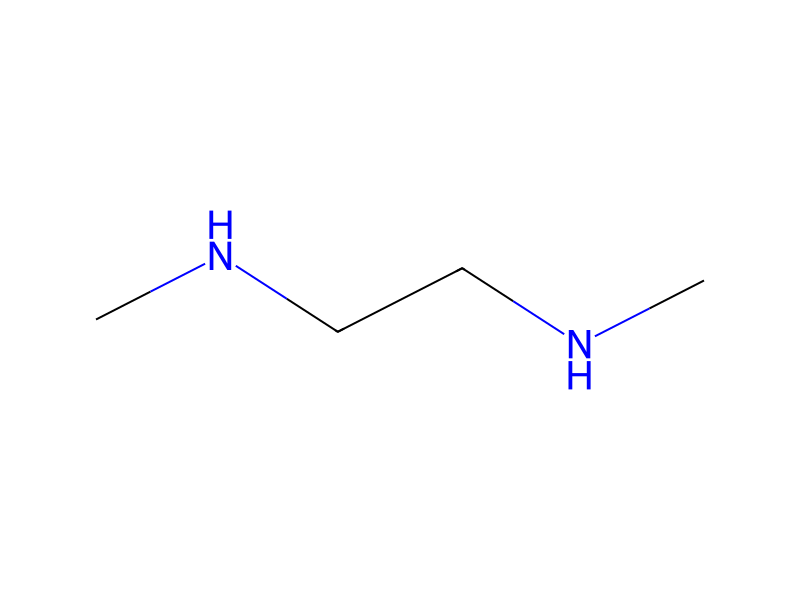
N,N'-Dimethylethylenediamine → 1-(4-Fluorophenyl)-1H-pyrazolo[3,4-c]pyridine-4-carboxylic acid [(S)-2-cyano-1-(2-methanesulfonyl-pyridin-4-yl)-ethyl]-amide

HRID 559708
Notes
Print preview

Reaction equation

HRID 559708 reaction equation
Br[C:2]1[CH:7]=[C:6]([C@@H:8]([NH:12][C:13]([C:15]2[C:16]3[CH:23]=[N:22][N:21]([C:24]4[CH:29]=[CH:28][C:27]([F:30])=[CH:26][CH:25]=4)[C:17]=3[CH:18]=[N:19][CH:20]=2)=[O:14])[CH2:9][C:10]#[N:11])[CH:5]=[CH:4][N:3]=1.[CH3:31][S:32]([O-:34])=[O:33].[Na+].CNCCNC.[Cl-].[NH4+]>CS(C)=O.C(OCC)(=O)C.[I+].[Cu+]>[C:10]([CH2:9][C@H:8]([NH:12][C:13]([C:15]1[C:16]2[CH:23]=[N:22][N:21]([C:24]3[CH:29]=[CH:28][C:27]([F:30])=[CH:26][CH:25]=3)[C:17]=2[CH:18]=[N:19][CH:20]=1)=[O:14])[C:6]1[CH:5]=[CH:4][N:3]=[C:2]([S:32]([CH3:31])(=[O:34])=[O:33])[CH:7]=1)#[N:11]
ParticipantsConditionsProcedureWorkupSources & evidenceReaction notes

Participants

8

Reactant 4

HCID 8070N,N'-DimethylethylenediamineHCID 25517Ammonium ChlorideHCID 2733271Sodium methanesulfinateHCID 592782621-(4-fluorophenyl)-1H-pyrazolo[3,4-c]pyridine-4-carboxylic acid [(S)-1-(2-bromo-pyridin-4-yl)-2-cyano-ethyl]-amide

Product 1

HCID 592782261-(4-Fluorophenyl)-1H-pyrazolo[3,4-c]pyridine-4-carboxylic acid [(S)-2-cyano-1-(2-methanesulfonyl-pyridin-4-yl)-ethyl]-amide

Reagents, catalysts & solvents 3

HCID 178505377HCID 178505377, compoundCatalystHCID 679Dimethyl SulfoxideSolventHCID 8857Ethyl AcetateSolvent2×

Conditions

Temperature
130 °C

Procedure

A solution of 1-(4-fluorophenyl)-1H-pyrazolo[3,4-c]pyridine-4-carboxylic acid [(S)-1-(2-bromo-pyridin-4-yl)-2-cyano-ethyl]-amide (122 mg, 0.262 mmol), sodium methanesulfinate (53.5 mg, 0.524 mmol) and copper (I) iodine (99.8 mg, 0.524 mmol) in DMSO (2.5 mL) was evacuated and purged with argon three times and warmed at 130° C. After 45 minutes, the reaction was cooled to room temperature and N,N′-dimethylethylenediamine (112 μL, 1.05 mmol) was added. The mixture stirred for 30 minutes and was then diluted with ethyl acetate (20 mL), stirred for 15 minutes, and saturated aqueous ammonium chloride (20 mL) was added. The mixture was sonicated for 30 minutes, and was then diluted with ethyl acetate (100 mL). The aqueous layer was separated and extracted with ethyl acetate (2×20 mL). The combined organic layers were washed with saturated aqueous ammonium chloride (2×50 mL), saturated aqueous sodium bicarbonate (50 mL), brine (50 mL), dried over MgSO4, filtered and concentrated. The resulting residue was purified by silica gel chromatography eluting with a gradient of 0-8% methanol in CH2Cl2. The solid was further purified by HPLC using a C18 column and a gradient of 5-95% acetonitrile+0.1% TFA and water+0.1% TFA to afford the title compound. MS m/z 465.68 (MH+).

Workup

  1. custompurged with argon three times
  2. temperaturethe reaction was cooled to room temperature
  3. stirringstirred for 15 minutes
  4. customThe mixture was sonicated for 30 minutes
  5. customThe aqueous layer was separated
  6. extractionextracted with ethyl acetate (2×20 mL)
  7. washThe combined organic layers were washed with saturated aqueous ammonium chloride (2×50 mL), saturated aqueous sodium bicarbonate (50 mL), brine (50 mL)
  8. dry with materialdried over MgSO4
  9. filtrationfiltered
  10. concentrationconcentrated
  11. customThe resulting residue was purified by silica gel chromatography
  12. washeluting with a gradient of 0-8% methanol in CH2Cl2
  13. customThe solid was further purified by HPLC

Sources & evidence

ORD record
ord-039687a182544db48c1ef2c7a054a18f
Source dataset
uspto-grants-2011_11
DOI
10.6084/m9.figshare.5104873.v1
Patent number
US08063065B2

Reaction notes

Loading…

On this pageParticipantsConditionsProcedureWorkupSources & evidenceReaction notes