2-Butenoic acid, 3-(acetylamino)-, methyl ester, (2Z)- → 3-(3-fluoro-4-((4-morpholinobutyl)amino)phenyl)-2,6-dimethyl pyrimidin-4(3H)-one
HRID 56171
Reaction equation

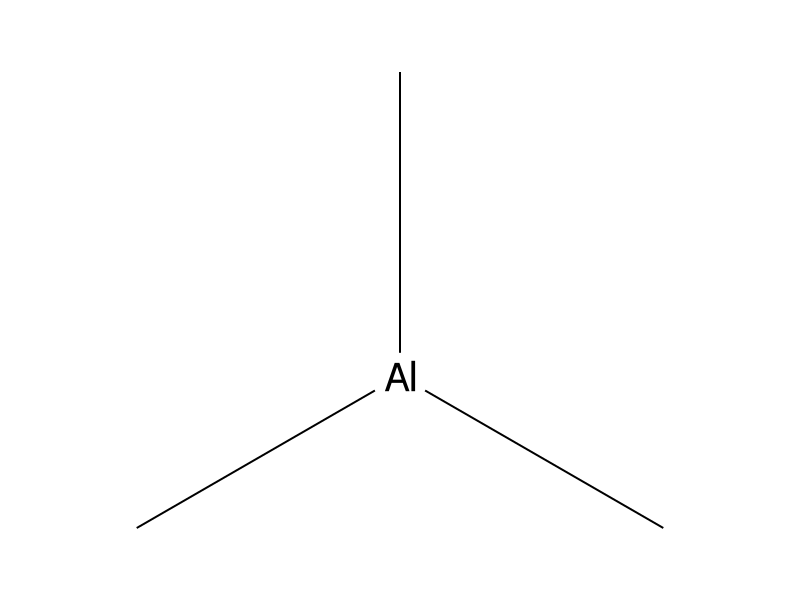
[F:1][C:2]1[CH:7]=[C:6]([NH2:8])[CH:5]=[CH:4][C:3]=1[NH:9][CH2:10][CH2:11][CH2:12][CH2:13][N:14]1[CH2:19][CH2:18][O:17][CH2:16][CH2:15]1.C[Al](C)C.[NH:24](/[C:28](/[CH3:34])=[CH:29]\[C:30](OC)=[O:31])[C:25]([CH3:27])=O>C(Cl)Cl>[F:1][C:2]1[CH:7]=[C:6]([N:8]2[C:30](=[O:31])[CH:29]=[C:28]([CH3:34])[N:24]=[C:25]2[CH3:27])[CH:5]=[CH:4][C:3]=1[NH:9][CH2:10][CH2:11][CH2:12][CH2:13][N:14]1[CH2:19][CH2:18][O:17][CH2:16][CH2:15]1Participants
5
Reactant 3


Product 1

Reagents, catalysts & solvents 1
