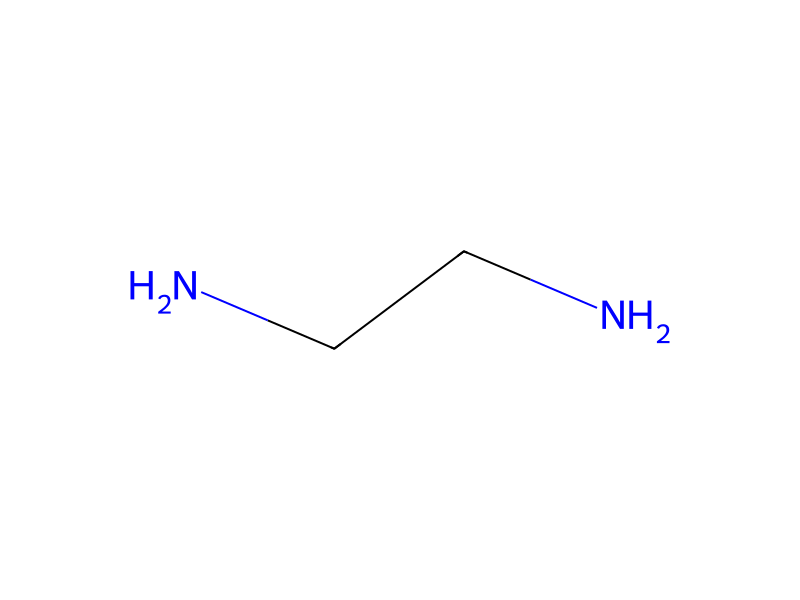
[C:1]1([C:7]2([C:14]3[CH:19]=[CH:18][CH:17]=[CH:16][CH:15]=3)[CH2:12][CH2:11][C:10](=O)[CH2:9][CH2:8]2)[CH:6]=[CH:5][CH:4]=[CH:3][CH:2]=1.[CH2:20]([NH2:23])[CH2:21][NH2:22]>C1C=CC=CC=1.C1(C)C=CC(S(O)(=O)=O)=CC=1>[C:1]1([C:7]2([C:14]3[CH:19]=[CH:18][CH:17]=[CH:16][CH:15]=3)[CH2:12][CH2:11][CH:10]([NH:22][CH2:21][CH2:20][NH2:23])[CH2:9][CH2:8]2)[CH:6]=[CH:5][CH:4]=[CH:3][CH:2]=1A mixture of 4,4-diphenylcyclohexanone (2.5 g) and ethylenediamine (10 g) and p-toluenesulfonic acid (100 mg) in benzene (200 mL) was refluxed for 4 h in Dean-Stark trap to remove the water that formed. Solvent was evaporated and the residue was redissolved in methanol (60 mL) and cooled to 0° C. To this, sodium borohydride (2 g) was added in portions and the mixture was stirred at room temperature for 3 h. Solvent was evaporated, the residue was dissolved in dichloromethane (300 mL), washed with brine (3×500 mL), dried (potassium carbonate), and the solvent evaporated to leave the product as a colorless viscous oil (2.94 g, 100%). The 1H-NMR showed this product to be pure and was used in the next step without any further purification.