HomeMCPWorkbenchSkills
HomeWorkbenchNotificationsMe
llms.txt · MCP GuidePrivacy Policy · Terms of Service · Supportv1.8.3
  1. Home
  2. /Reaction

1,3-Dimethylimidazolium Iodide → 6,7-Dimethoxyquinazoline

HRID 565259
Print

Reaction equation

HRID 565259 reaction equation
Cl[C:2]1[C:11]2[C:6](=[CH:7][C:8]([O:14][CH3:15])=[C:9]([O:12][CH3:13])[CH:10]=2)[N:5]=[CH:4][N:3]=1.BrC1C=C(C=CC=1)C=O.[I-].C[N+]1C=CN(C)C=1.[H-].[Na+]>O1CCOCC1>[CH3:13][O:12][C:9]1[CH:10]=[C:11]2[C:6](=[CH:7][C:8]=1[O:14][CH3:15])[N:5]=[CH:4][N:3]=[CH:2]2
ParticipantsProcedureSources & evidenceReaction notes

Participants

6

Reactant 4

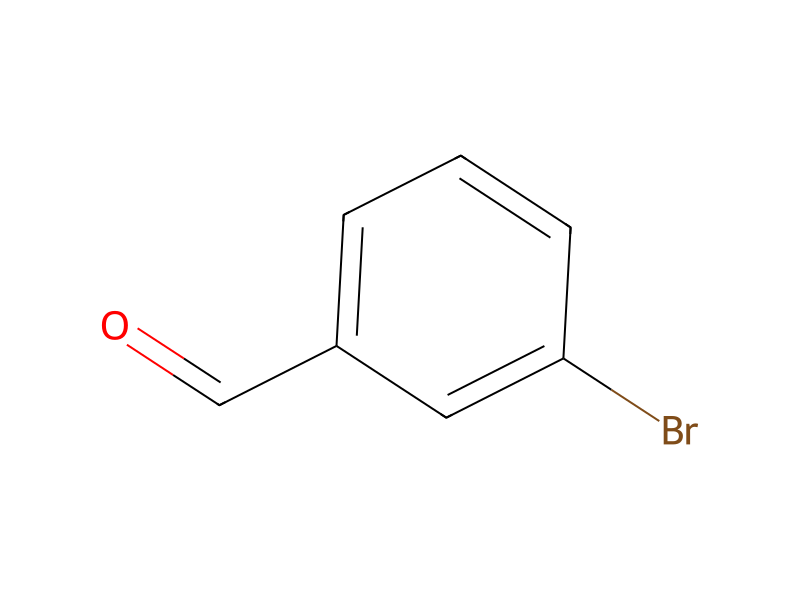
HCID 203341,3-Dimethylimidazolium IodideHCID 24758Sodium hydrideHCID 765833-BromobenzaldehydeHCID 27693644-Chloro-6,7-dimethoxyquinazoline2×

Product 1

HCID 30316616,7-Dimethoxyquinazoline

Reagents, catalysts & solvents 1

HCID 31275
1,4-Dioxane
Solvent

Procedure

The lead compound 4-(3′-bromobenzoyl)-6,7-dimethoxyquinazoline WHI-P164 was synthesized by reacting 4-chloro-6,7-dimethoxyquinazoline 5 with the commercially available 3-bromobenzaldehyde in the presence of 1,3-dimethylimidazolium iodide and sodium hydride in refluxing dioxane for 4 hours (Scheme 2) (32,33). The remaining 6,7-dimethoxyquinazoline derivatives were synthesized by condensing 4-chloro-6,7-dimethoxyquinazoline 5 with the corresponding substituted anilines as shown in Scheme 3.

Sources & evidence

ORD record
ord-d01608871e9a4e309a5955edd3dfac79
Source dataset
uspto-grants-2001_01
DOI
10.6084/m9.figshare.5104873.v1
Patent number
US06172071B2

Reaction notes

On this pageParticipantsProcedureSources & evidenceReaction notes