Reaction equation

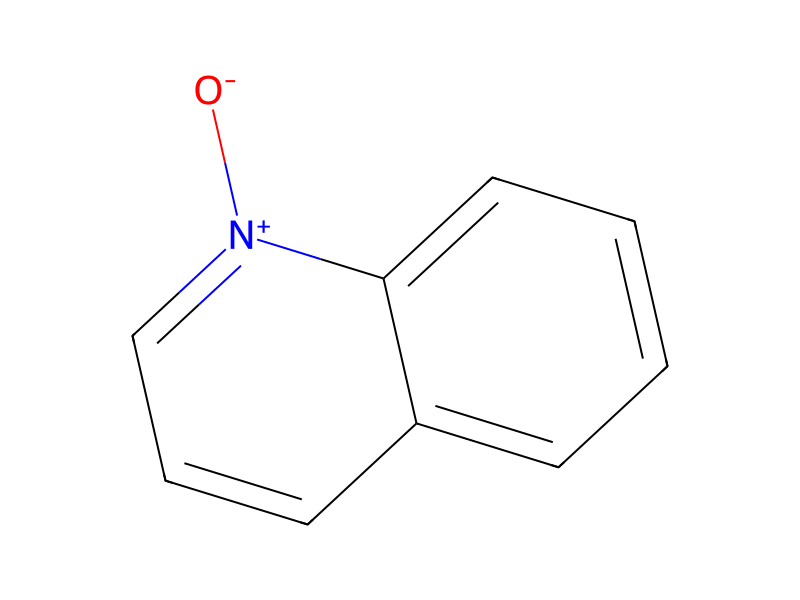
[N+:1]1([O-])[C:10]2[C:5](=[CH:6][CH:7]=[CH:8][CH:9]=2)[CH:4]=[CH:3][CH:2]=1.C(Cl)(=O)C1C=CC=CC=1.[NH:21]1[C:29]2[C:24](=[CH:25][CH:26]=[CH:27][CH:28]=2)[CH:23]=[CH:22]1>C(Cl)Cl>[NH:21]1[C:29]2[C:24](=[CH:25][CH:26]=[CH:27][CH:28]=2)[C:23]([C:2]2[CH:3]=[CH:4][C:5]3[C:10](=[CH:9][CH:8]=[CH:7][CH:6]=3)[N:1]=2)=[CH:22]1Participants
5
Reactant 3


Product 1

Reagents, catalysts & solvents 1

Conditions
- Temperature
- 0 °C
Procedure
To a solution of quinoline-N-oxide (0.5 mmol) in 2 mL DCM at 0° C. in a 3 mL plastic tube fitted with a frit was added 58 uL of benzoyl chloride (0.5 mmol). The reaction mixture was stirred for 15 min at 0° C. and then indole (0.5 mmol) was added. The reaction was warmed to 20 ° C. and stirred for 4 h. The solid precipitate was filtered and washed with DCM (3×2 mL) to give solid 2-(3-indolyl)quinoline (6-100% yield).
Workup
- temperatureThe reaction was warmed to 20 ° C.
- stirringstirred for 4 h
- filtrationThe solid precipitate was filtered
- washwashed with DCM (3×2 mL)
Sources & evidence
- ORD record
- ord-f1edd849e7ba4f11bb333748e3a1c4e2
- Source dataset
- uspto-grants-2001_01
- Patent number
- US06172084B2
Linked notes
Loading…