HomeMCPSkillsWorkbenchOpenChem
HomeWorkbenchNotificationsMe
llms.txt · skill.md · MCP GuidePrivacy Policy · Terms of Service · Supportv1.8.6
  1. Home
  2. /Reaction

Dimethyl Carbonate → 7-(4-Fluorophenyl)-3,4-dihydronaphthalene-2-carboxylic acid

HRID 565851
Print

Reaction equation

C[O-].[Na+].[C:4](=[O:9])(OC)[O:5]C.[F:10][C:11]1[CH:16]=[CH:15][C:14]([C:17]2[CH:26]=[C:25]3[C:20]([CH2:21][CH2:22][CH2:23][C:24]3=O)=[CH:19][CH:18]=2)=[CH:13][CH:12]=1>Cl>[F:10][C:11]1[CH:12]=[CH:13][C:14]([C:17]2[CH:26]=[C:25]3[C:20]([CH2:21][CH2:22][C:23]([C:4]([OH:5])=[O:9])=[CH:24]3)=[CH:19][CH:18]=2)=[CH:15][CH:16]=1
ParticipantsConditionsProcedureWorkupSources & evidenceReaction notes

Participants

5

Reactant 3

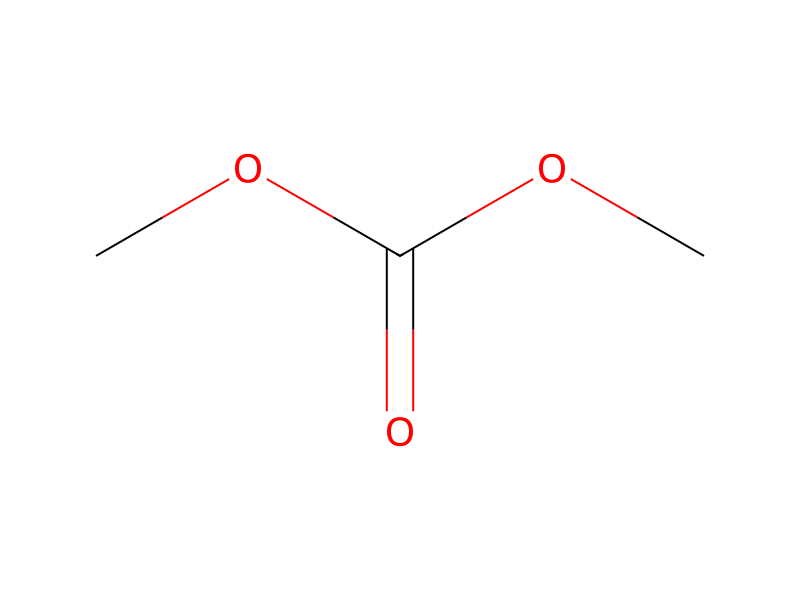
HCID 12021Dimethyl CarbonateHCID 10942334Sodium MethoxideHCID 184723477-(4-Fluorophenyl)-1-tetralone

Product 1

HCID 184723857-(4-Fluorophenyl)-3,4-dihydronaphthalene-2-carboxylic acid

Reagents, catalysts & solvents 1

HCID 313Hydrochloric AcidSolvent

Conditions

Temperature
0 °C

Procedure

A mixture of sodium methoxide (15.5 g), dimethyl carbonate (91 ml) and 7-(4-fluorophenyl)-1-tetralone (13.8 g) was refluxed for 30 minutes. The reaction mixture was cooled to 0° C., and to the mixture was gradually added 3N hydrochloric acid (200 ml). The mixture was extracted with ethyl acetate. The organic layer was washed with saturated sodium chloride solution, dried with anhydrous sodium sulfate, and concentrated under reduced pressure. The residue was dissolved in THF (90 ml), and to the mixture was added sodium boron hydride (1.36 g) at 0° C. and then was dropwise added methanol (9 ml) for 30 minutes. The reaction mixture was stirred at 0° C. for 4 hours, and to the mixture was added water (500 ml). The mixture was extracted with ethyl acetate. The organic layer was washed with saturated sodium chloride solution, and concentrated under reduced pressure. The residue was dissolved in methanol (80 ml), and to the mixture was added 1N sodium hydroxide (100 ml). The mixture was refluxed for 4 hours and cooled to room temperature. The mixture was acidified with concentrated hydrochloric acid and extracted with ethyl acetate. The organic layer was washed with saturated sodium chloride solution, dried with anhydrous sodium sulfate, and concentrated under reduced pressure. The residue was dissolved in Diglyme (50 ml), and to the mixture was added concentrated hydrochloric acid (10 ml). The mixture was stirred at 100° C. for 2 hours, and to the mixture was added water (500 ml). The mixture was extracted with ethyl acetate. The organic layer was washed with saturated sodium chloride solution, and concentrated under reduced pressure. The residue was dissolved in 0.5N sodium hydroxide (400 ml), and the mixture was washed with diethylether. The aqueous layer was separated, acidified with concentrated hydrochloric acid and extracted with ethyl acetate. The organic layer was washed with saturated sodium chloride solution, dried with anhydrous sodium sulfate, and concentrated under reduced pressure. The residue was recrystallized from ethyl acetate-diisopropylether to give 7-(4-fluorophenyl)-3,4-dihydronaphthalene-2-carboxylic acid (6.01 g) as pale brown crystals.

Workup

  1. temperaturewas refluxed for 30 minutes
  2. extractionThe mixture was extracted with ethyl acetate
  3. washThe organic layer was washed with saturated sodium chloride solution
  4. dry with materialdried with anhydrous sodium sulfate
  5. concentrationconcentrated under reduced pressure
  6. dissolutionThe residue was dissolved in THF (90 ml)
  7. additionto the mixture was added sodium boron hydride (1.36 g) at 0° C.
  8. customfor 30 minutes
  9. additionto the mixture was added water (500 ml)
  10. extractionThe mixture was extracted with ethyl acetate
  11. washThe organic layer was washed with saturated sodium chloride solution
  12. concentrationconcentrated under reduced pressure
  13. dissolutionThe residue was dissolved in methanol (80 ml)
  14. additionto the mixture was added 1N sodium hydroxide (100 ml)
  15. temperatureThe mixture was refluxed for 4 hours
  16. temperaturecooled to room temperature
  17. extractionextracted with ethyl acetate
  18. washThe organic layer was washed with saturated sodium chloride solution
  19. dry with materialdried with anhydrous sodium sulfate
  20. concentrationconcentrated under reduced pressure
  21. dissolutionThe residue was dissolved in Diglyme (50 ml)
  22. additionto the mixture was added concentrated hydrochloric acid (10 ml)
  23. stirringThe mixture was stirred at 100° C. for 2 hours
  24. additionto the mixture was added water (500 ml)
  25. extractionThe mixture was extracted with ethyl acetate
  26. washThe organic layer was washed with saturated sodium chloride solution
  27. concentrationconcentrated under reduced pressure
  28. dissolutionThe residue was dissolved in 0.5N sodium hydroxide (400 ml)
  29. washthe mixture was washed with diethylether
  30. customThe aqueous layer was separated
  31. extractionextracted with ethyl acetate
  32. washThe organic layer was washed with saturated sodium chloride solution
  33. dry with materialdried with anhydrous sodium sulfate
  34. concentrationconcentrated under reduced pressure
  35. customThe residue was recrystallized from ethyl acetate-diisopropylether

Sources & evidence

ORD record
ord-52c84a2f18ba4794a72020a8d497a802
Source dataset
uspto-grants-2001_01
DOI
10.6084/m9.figshare.5104873.v1
Patent number
US06172061B2

Reaction notes

On this pageParticipantsConditionsProcedureWorkupSources & evidenceReaction notes

