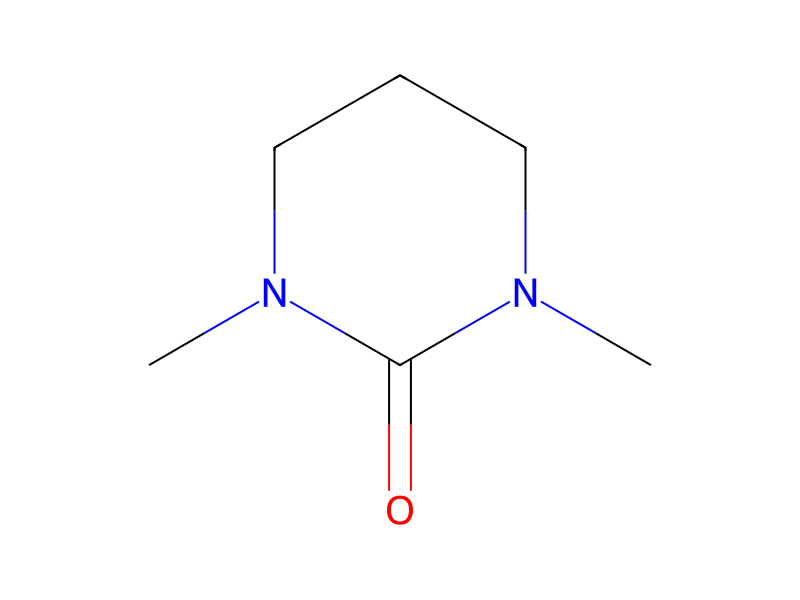
[Cl:1][C:2]1[CH:3]=[C:4]([CH:17]=[CH:18][CH:19]=1)[NH:5][C:6]1[C:7]2[CH:14]=[C:13]([CH:15]=O)[NH:12][C:8]=2[N:9]=[CH:10][N:11]=1.[NH:20]1[CH2:25][CH2:24][O:23][CH2:22][CH2:21]1>CO.CN1C(=O)N(C)CCC1.C(O)(=O)C.[Ni]>[Cl:1][C:2]1[CH:3]=[C:4]([CH:17]=[CH:18][CH:19]=1)[NH:5][C:6]1[C:7]2[CH:14]=[C:13]([CH2:15][N:20]3[CH2:25][CH2:24][O:23][CH2:22][CH2:21]3)[NH:12][C:8]=2[N:9]=[CH:10][N:11]=1109 mg (0.40 mmol) of 4-(3-chloroanilino)-6-formyl-7H-pyrrolo[2,3-d]pyrimidine (stage 1.6) and 70 μl (0.8 mmol) of morpholine in 6 ml of methanol, 2 ml of DMPU and 50 μl of acetic acid are heated at 50° C. for 2 h. 30 mg of Raney nickel are then added and the mixture is hydrogenated at 50° C. The catalyst is filtered off, the filtrate is evaporated and the residue is dissolved in ethyl acetate and satd Na2CO3 solution. The aqueous phase separated off is extracted twice with ethyl acetate; the organic phases are washed with satd NaHCO3 solution, twice with water and brine, dried (MgSO4) and evaporated. The residue is taken up in methanol, and the solution is treated with silica gel and dried. The powder is added to a silica gel column and eluted with CH2Cl2/methanol=10:1. Crystallization from ethyl acetate/diethyl ether/hexane yields 4-(3-chloroanilino)-6-[(morpholin-4-yl)-methyl]-7H-pyrrolo[2,3-d]pyrimidine; m.p: 244-246° C.; HPLC: tRet(Grad20)=7.4; TLC-Rf=0.20 (CH2Cl2/methanol 10:1); FAB-MS: (M+H)+=344.