Reaction equation

CS([O:5][CH:6]1[CH2:9][N:8]([CH:10]([C:17]2[CH:22]=[CH:21][CH:20]=[CH:19][CH:18]=2)[C:11]2[CH:16]=[CH:15][CH:14]=[CH:13][CH:12]=2)[CH2:7]1)(=O)=O.C(=O)([O-])[O-].[K+].[K+].[Cl:29][C:30]1[CH:35]=[C:34]([F:36])[CH:33]=[CH:32][C:31]=1O>C(#N)C>[Cl:29][C:30]1[CH:35]=[C:34]([F:36])[CH:33]=[CH:32][C:31]=1[O:5][CH:6]1[CH2:9][N:8]([CH:10]([C:17]2[CH:22]=[CH:21][CH:20]=[CH:19][CH:18]=2)[C:11]2[CH:16]=[CH:15][CH:14]=[CH:13][CH:12]=2)[CH2:7]1Participants

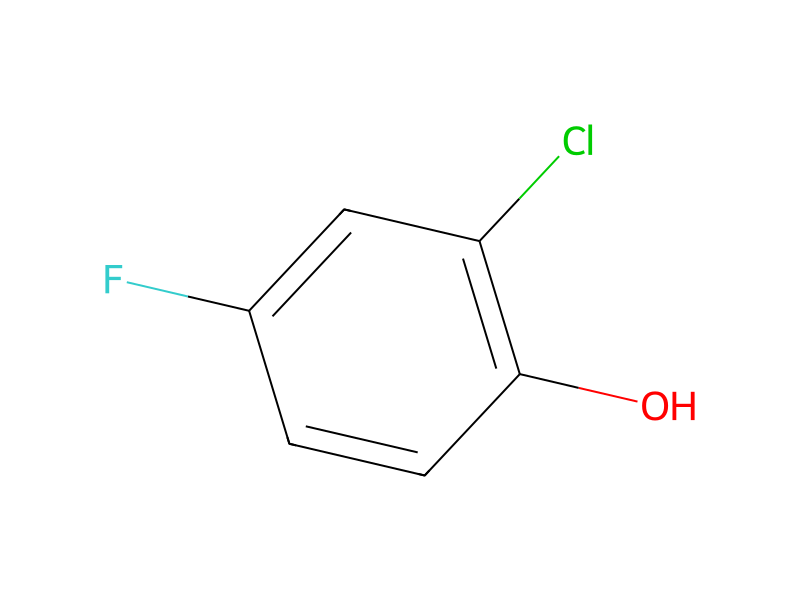



Procedure
A mixture of 1-(diphenylmethyl)-3-azetidinyl methanesulfonate (363.8 g, 1.15 mol), potassium carbonate (330 g, 2.38 mol) and 2-chloro-4-fluorophenol (140 g, 0.96 mol) in acetonitrile (2.5 L) was heated under reflux for 4.5 hours. The cooled reaction mixture was then concentrated in vacuo and the residue was partitioned between ethyl acetate (1 L) and water (500 mL). The organic layer was separated, dried over sodium sulfate concentrated in vacuo and the residue was triturated with ethyl acetate/pentane/dichloromethane, 90:10:1, to afford the title compound as a white solid in quantitative yield, 350 g. 1H NMR (400 MHz, CDCl3) δ: 3.19 (m, 2H), 3.75 (m, 2H), 4.45 (m, 1H), 4.78 (m, 1H), 6.60 (m, 1H), 6.83 (m, 1H), 7.14 (m, 1H), 7.18-7.50 (m, 10H)
Workup
- temperaturewas heated
- temperatureunder reflux for 4.5 hours
- customThe cooled reaction mixture
- concentrationwas then concentrated in vacuo
- customthe residue was partitioned between ethyl acetate (1 L) and water (500 mL)
- customThe organic layer was separated
- dry with materialdried over sodium sulfate
- concentrationconcentrated in vacuo
- customthe residue was triturated with ethyl acetate/pentane/dichloromethane, 90:10:1
Sources & evidence
- ORD record
- ord-ff77a4901a444d52a9be963bbf0d647b
- Source dataset
- uspto-grants-2015_05
- Patent number
- US09023872B2
Linked notes
Loading…