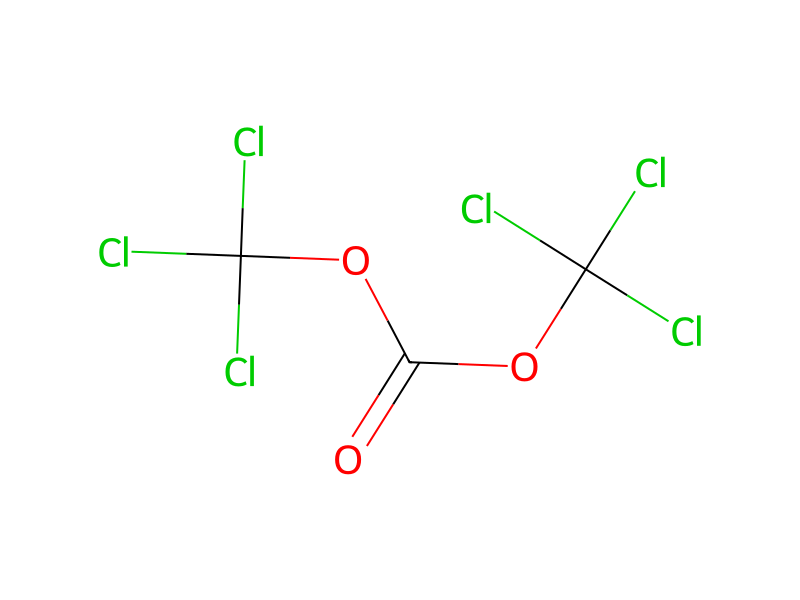
[NH2:1][C:2]1[CH:7]=[CH:6][C:5]([CH:8]2[O:13][CH2:12][CH2:11][N:10]([C:14]([O:16][C:17]([CH3:20])([CH3:19])[CH3:18])=[O:15])[CH2:9]2)=[CH:4][C:3]=1[C:21]#[N:22].ClC(Cl)(O[C:27](=[O:33])OC(Cl)(Cl)Cl)Cl.C(=O)([O-])[O-].[Na+].[Na+].[NH2:41][C:42]1[CH:43]=[C:44]([CH:47]=[CH:48][CH:49]=1)[C:45]#[N:46]>ClCCl.O>[C:17]([O:16][C:14]([N:10]1[CH2:11][CH2:12][O:13][CH:8]([C:5]2[CH:6]=[CH:7][C:2]([NH:1][C:27]([NH:41][C:42]3[CH:49]=[CH:48][CH:47]=[C:44]([C:45]#[N:46])[CH:43]=3)=[O:33])=[C:3]([C:21]#[N:22])[CH:4]=2)[CH2:9]1)=[O:15])([CH3:19])([CH3:18])[CH3:20]To a stirred solution of tert-butyl (RS)-2-(4-amino-3-cyanophenyl)morpholine-4-carboxylate (70 mg, example 28b) in dichloromethane (2 ml) was added triphosgene (25 mg). A solution of sodium carbonate (49 mg) in water (2 ml) was then added. The reaction mixture was stirred at room temperature for 3 hours. TLC showed all the starting material had reacted. 3-Aminobenzonitrile (28 mg, CAS 2237-30-1) was then added and the reaction mixture was stirred at room temperature for a further 40 hours. TLC showed the reaction was complete. The reaction mixture was poured into dichloromethane and extracted with water. The organic phase was separated, dried over sodium sulphate and concentrated in vacuo. The residue was purified by column chromatography (SiO2; gradient: 0% to 100% EtOAc in hexanes) to give (RS)-2-{3-cyano-4-[3-(3-cyano-phenyl)-ureido]-phenyl}-morpholine-4-carboxylic acid tert-butyl ester (16 mg, 16%) as a white solid. MS (ISP): 392.2 ([M+H—C4H8]+), 348.2 ([M+H—C4H8—CO2]+).