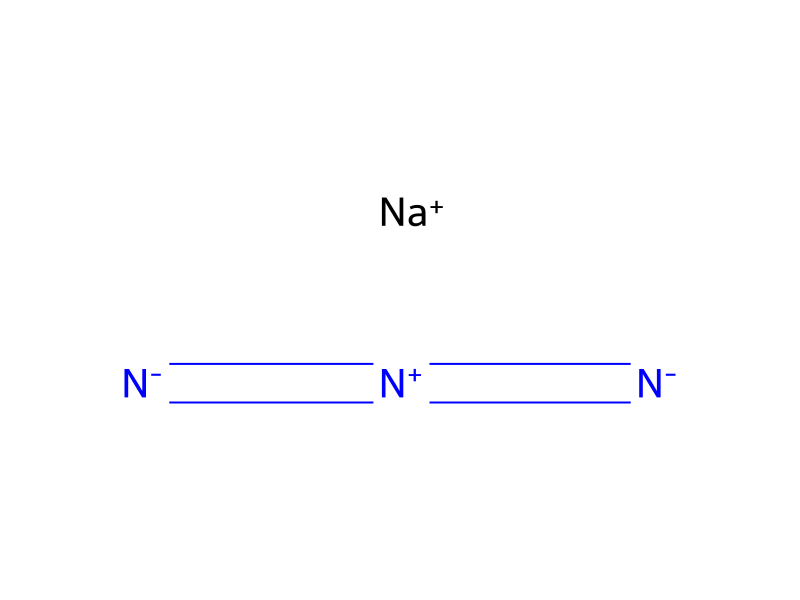
In a 20 mL four-necked flask, 4-(difluoromethoxy)aniline (0.5 g, 3.14 mmol) and hydrochloric acid (37% in water, 0.54 ml, 6.6 mmol) were combined with water (5 ml) to give a light yellow solution. Cooled to 0° C. using an ice-bath, sodium nitrite (217 mg, 3.14 mmol) was dissolved in water (1 ml) and added carefully ensuring that the temperature did not increase above 5° C. Sodium azide (204 mg, 3.14 mmol) was dissolved in water (1 ml) and added drop-wise to the orange solution, keeping the temperature below 5° C. The reaction mixture was cooled at 0-5° C. for 1 hour and an orange emulsion was observed. The layers were separated using TBME and the organic layer was washed with brine, dried over sodium sulphate and filtered. The filtrate was concentrated under vacuum to yield 1-azido-4-(difluoromethoxy)benzene as an orange liquid.