HomeMCPWorkbenchSkills
HomeWorkbenchNotificationsMe
llms.txt · MCP GuidePrivacy Policy · Terms of Service · Supportv1.8.0
  1. Home
  2. /Reaction

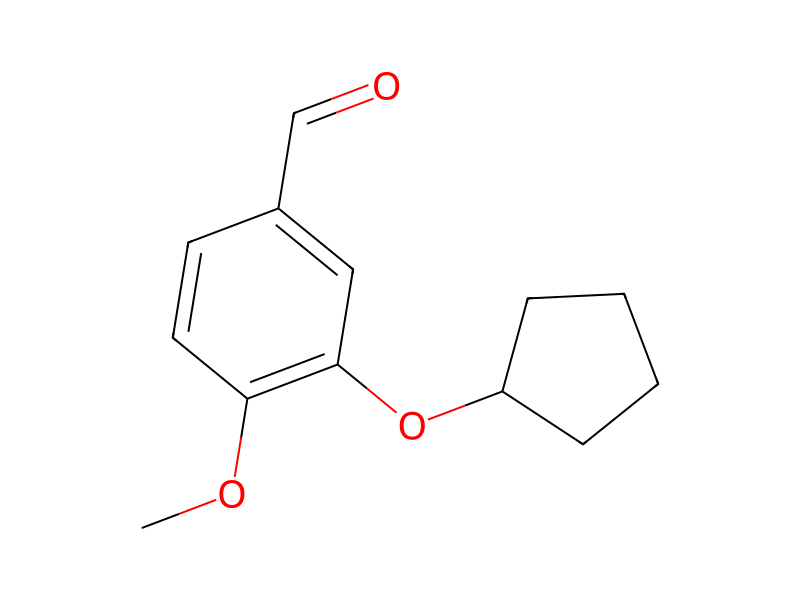
3-Cyclopentyloxy-4-methoxybenzaldehyde → HCID 178491044, compound

HRID 582125
Notes
Print preview

Reaction equation

HRID 582125 reaction equation
[NH2:1][C:2]1[C:6]([C:7]([OH:9])=[O:8])=[CH:5][NH:4][N:3]=1.[CH:10]1([O:15][C:16]2[CH:17]=[C:18]([CH:21]=[CH:22][C:23]=2[O:24][CH3:25])[CH:19]=O)[CH2:14][CH2:13][CH2:12][CH2:11]1.C([BH3-])#N.[Na+]>CO>[CH:10]1([O:15][C:16]2[CH:17]=[C:18]([CH:21]=[CH:22][C:23]=2[O:24][CH3:25])[CH2:19][NH:1][C:2]2[C:6]([C:7]([OH:9])=[O:8])=[CH:5][NH:4][N:3]=2)[CH2:11][CH2:12][CH2:13][CH2:14]1
ParticipantsProcedureWorkupSources & evidenceReaction notes

Participants

5

Reactant 3

HCID 27358933-Cyclopentyloxy-4-methoxybenzaldehydeHCID 5003444Sodium cyanoborohydrideHCID 178509273HCID 178509273, compound

Product 1

HCID 178491044HCID 178491044, compoundYield 48.7%

Reagents, catalysts & solvents 1

HCID 887MethanolSolvent

Procedure

A suspension of 3-amino-4-pyrazole carboxylic acid (3.56 g, 28 mmol) in 400 ml of methanol and 3-cyclopentyloxy-4-methoxybenzaldehyde (5.06 g, 23 mmol) was stirred at room temperature for 16 hours with sodium cyanoborohydride, 1.85 g (95% pure, 28 mmol). The methanol was evaporated under reduced pressure and the residue was taken up in 100 ml of 15% sodium hydroxide and extracted twice with 100 ml portions of ether. The aqueous layer was acidified to pH 5 with 5N hydrochloric acid and extracted twice with 100 ml portions of ethyl acetate. The ethyl acetate was dried over sodium sulfate and evaporated. The residue was triturated with ether to give 3.7 g of 3-(3-cyclopentyloxy-4-methoxybenzylamino)-4-pyrazolecarboxylic acid (48.7%). Pure 3-(3-cyclopentyloxy-4-methoxybenzylamino)pyrazole carboxylic acid shows mp. 134-136° C. after crystallization from methanol.

Workup

  1. customThe methanol was evaporated under reduced pressure
  2. extractionextracted twice with 100 ml portions of ether
  3. extractionextracted twice with 100 ml portions of ethyl acetate
  4. dry with materialThe ethyl acetate was dried over sodium sulfate
  5. customevaporated
  6. customThe residue was triturated with ether

Sources & evidence

ORD record
ord-f8bef5900ac64aaf8c3cb9782a42a350
Source dataset
uspto-grants-1999_07
DOI
10.6084/m9.figshare.5104873.v1
Patent number
US05922751

Reaction notes

Loading…

On this pageParticipantsProcedureWorkupSources & evidenceReaction notes