Triethylamine → HCID 73883569, compound
Reaction equation

FC(F)(F)C(O)=[O:4].[NH2:8][C:9](=[NH:38])[CH2:10][C:11]1[CH:37]=[CH:36][C:14]([CH2:15][N:16]2[C:24](=[O:25])[C:23]3[C:18](=[CH:19][CH:20]=[CH:21][C:22]=3[NH:26][C:27]([C:29]3[S:30][C:31]([Cl:34])=[CH:32][CH:33]=3)=[O:28])[C:17]2=[O:35])=[CH:13][CH:12]=1.C(N(CC)CC)C.[Cl-].O[NH3+]>C(O)C>[NH2:38][C:9](=[N:8][OH:4])[CH2:10][C:11]1[CH:37]=[CH:36][C:14]([CH2:15][N:16]2[C:24](=[O:25])[C:23]3[C:18](=[CH:19][CH:20]=[CH:21][C:22]=3[NH:26][C:27]([C:29]3[S:30][C:31]([Cl:34])=[CH:32][CH:33]=3)=[O:28])[C:17]2=[O:35])=[CH:13][CH:12]=1Participants
5
Reactant 3

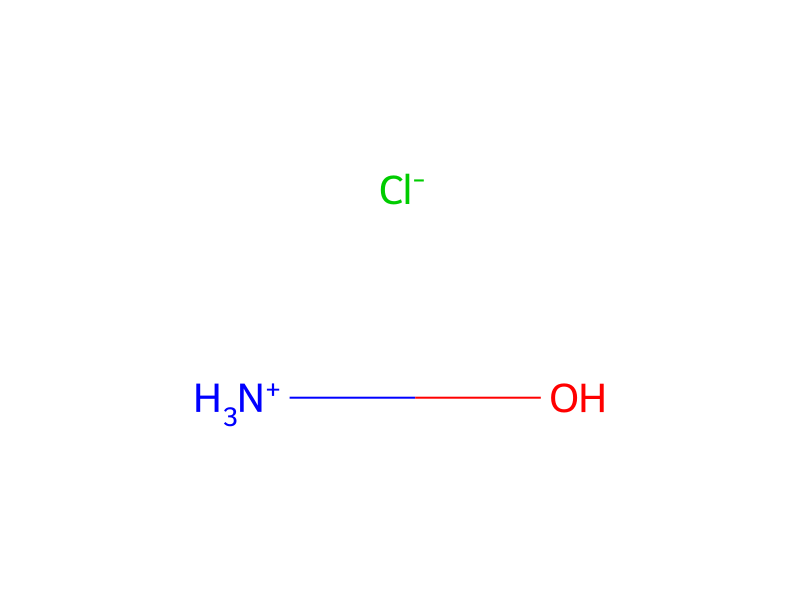

Product 1

Reagents, catalysts & solvents 1

Procedure
37 mg (0.07 mmol) of N-{2-[4-(2-amino-2-iminoethyl)benzyl]-1,3-dioxo-2,3-dihydro-1H-isoindol-4-yl}-5-chloro-2-thiophenecarboxamide trifluoroacetate are suspended in 3 ml of ethanol, and 0.09 ml (0.65 mmol) of triethylamine and 22.7 mg (0.33 mmol) of hydroxylammonium chloride are added. The reaction mixture is stirred at room temperature for 5 h and then concentrated. The residue is stirred with water and filtered. This gives 21 mg (69% of theory) of the desired product as a solid.