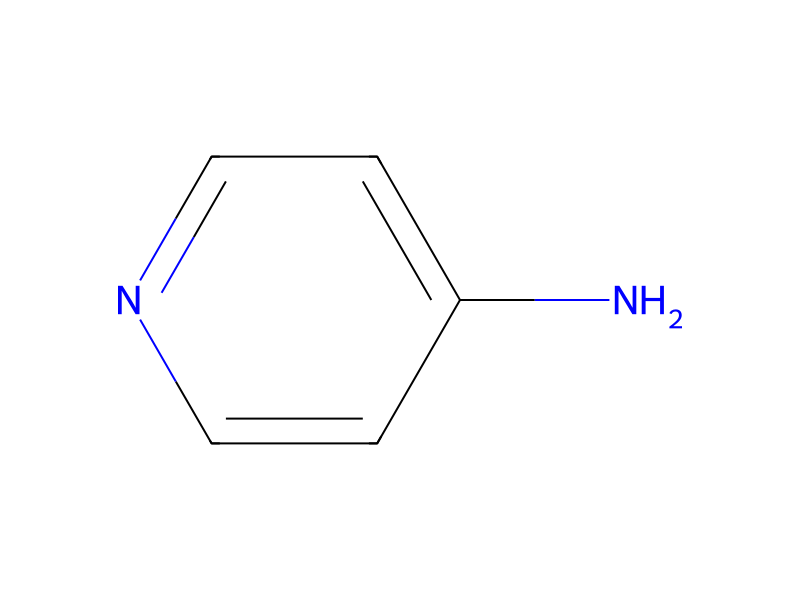
4-Aminopyridine → (S)-4-(tert-butoxycarbonylamino)-6-chloro-N-(4-pyridyl)thiochromane-7-carboxamide
HRID 585759
Reaction equation

[C:1]([O:5][C:6]([NH:8][C@@H:9]1[C:18]2[C:13](=[CH:14][C:15]([C:20](O)=[O:21])=[C:16]([Cl:19])[CH:17]=2)[S:12][CH2:11][CH2:10]1)=[O:7])([CH3:4])([CH3:3])[CH3:2].[NH2:23][C:24]1[CH:29]=[CH:28][N:27]=[CH:26][CH:25]=1.[I-].ClC1C=CC=C[N+]=1C>>[C:1]([O:5][C:6]([NH:8][C@@H:9]1[C:18]2[C:13](=[CH:14][C:15]([C:20]([NH:23][C:24]3[CH:29]=[CH:28][N:27]=[CH:26][CH:25]=3)=[O:21])=[C:16]([Cl:19])[CH:17]=2)[S:12][CH2:11][CH2:10]1)=[O:7])([CH3:3])([CH3:2])[CH3:4]Participants
4


Procedure
By a similar reaction operation as in Starting Material Synthetic Example 53 using (S)-4-(tert-butoxycarbonylamino)-6-chlorothiochromane-7-carboxylic acid (250 mg), 4-aminopyridine (68.4 mg) and 2-chloro-1-methylpyridinium iodide (222 mg), the objective (S)-4-(tert-butoxycarbonylamino)-6-chloro-N-(4-pyridyl)thiochromane-7-carboxamide (317 mg) was obtained as a colorless amorphous solid.