HomeMCPSkillsWorkbenchOpenChem
HomeWorkbenchNotificationsMe
llms.txt · skill.md · MCP GuidePrivacy Policy · Terms of Service · Supportv1.8.5
  1. Home
  2. /Reaction

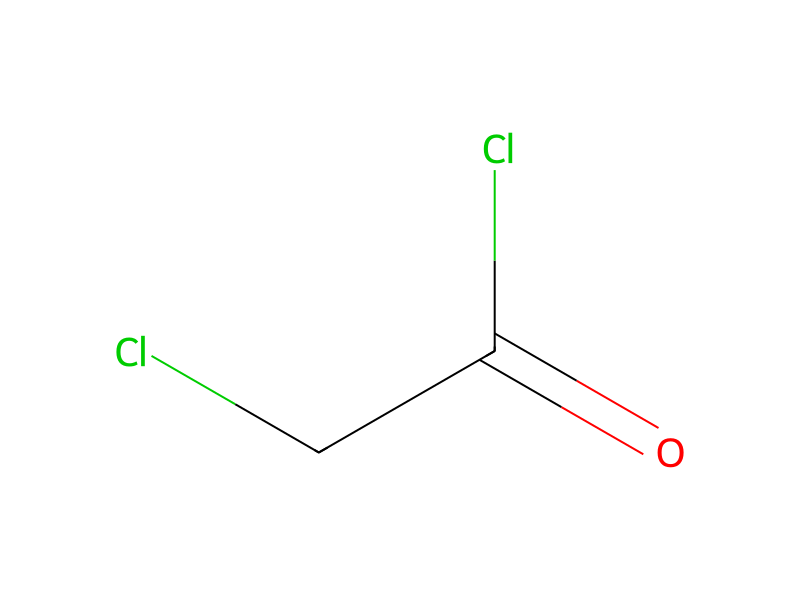
Chloroacetyl chloride → 4-Benzyl-6-(4-bromo-phenyl)-morpholin-3-one

HRID 588222
Print

Reaction equation

[CH2:1]([NH:8][CH2:9][CH:10]([C:12]1[CH:17]=[CH:16][C:15]([Br:18])=[CH:14][CH:13]=1)[OH:11])[C:2]1[CH:7]=[CH:6][CH:5]=[CH:4][CH:3]=1.CCN(CC)CC.Cl[CH2:27][C:28](Cl)=[O:29].[OH-].[K+]>C(Cl)Cl>[CH2:1]([N:8]1[CH2:9][CH:10]([C:12]2[CH:13]=[CH:14][C:15]([Br:18])=[CH:16][CH:17]=2)[O:11][CH2:27][C:28]1=[O:29])[C:2]1[CH:3]=[CH:4][CH:5]=[CH:6][CH:7]=1
ParticipantsProcedureWorkupSources & evidenceReaction notes

Participants

6

Reactant 4

HCID 6577Chloroacetyl chlorideHCID 8471TriethylamineHCID 14797Potassium HydroxideHCID 580978892-Benzylamino-1-(4-bromo-phenyl)-ethanol

Product 1

HCID 580978854-Benzyl-6-(4-bromo-phenyl)-morpholin-3-oneYield 103.9%

Reagents, catalysts & solvents 1

HCID 6344
Dichloromethane
Solvent
2×

Procedure

To a solution of 2-benzylamino-1-(4-bromo-phenyl)-ethanol (18.95 g; 62 mmol) and Et3N (9.6 mL; 68 mmol) in CH2Cl2 (500 mL) was added dropwise a solution of chloroacetyl chloride (5.4 mL; 68 mmol) in CH2Cl2 (20 mL), at 0° C. After 1 hour at 0° C. the reaction mixture was quenched with 1M aqueous HCl (200 mL). The layers were separated and the organic layer washed with a 5% aqueous NaHCO3 solution, dried (Na2SO4) and concentrated in vacuo. The residue was dissolved in 2-propanol (200 mL) and KOH (4.2 g; 75 mmol) was added. The resulting mixture was stirred at RT for 3 hours and subsequently concentrated in vacuo. The crude product was partitioned between CH2Cl2 and 1M aqueous HCl. The layers were separated and the organic layer was washed with saturated aqueous NaHCO3 solution, dried (Na2SO4) and evaporated in vacuo to afford 4-benzyl-6-(4-bromo-phenyl)-morpholin-3-one (22.30 g) which was used as such in the next step.

Workup

  1. customat 0° C
  2. customAfter 1 hour at 0° C. the reaction mixture was quenched with 1M aqueous HCl (200 mL)
  3. customThe layers were separated
  4. washthe organic layer washed with a 5% aqueous NaHCO3 solution
  5. dry with materialdried (Na2SO4)
  6. concentrationconcentrated in vacuo
  7. dissolutionThe residue was dissolved in 2-propanol (200 mL)
  8. concentrationsubsequently concentrated in vacuo
  9. customThe crude product was partitioned between CH2Cl2 and 1M aqueous HCl
  10. customThe layers were separated
  11. washthe organic layer was washed with saturated aqueous NaHCO3 solution
  12. dry with materialdried (Na2SO4)
  13. customevaporated in vacuo

Sources & evidence

ORD record
ord-fed8d2ee39a844c5befca1609dbd434d
Source dataset
uspto-grants-2016_01
DOI
10.6084/m9.figshare.5104873.v1
Patent number
US09227960B2

Reaction notes

On this pageParticipantsProcedureWorkupSources & evidenceReaction notes