Reaction equation

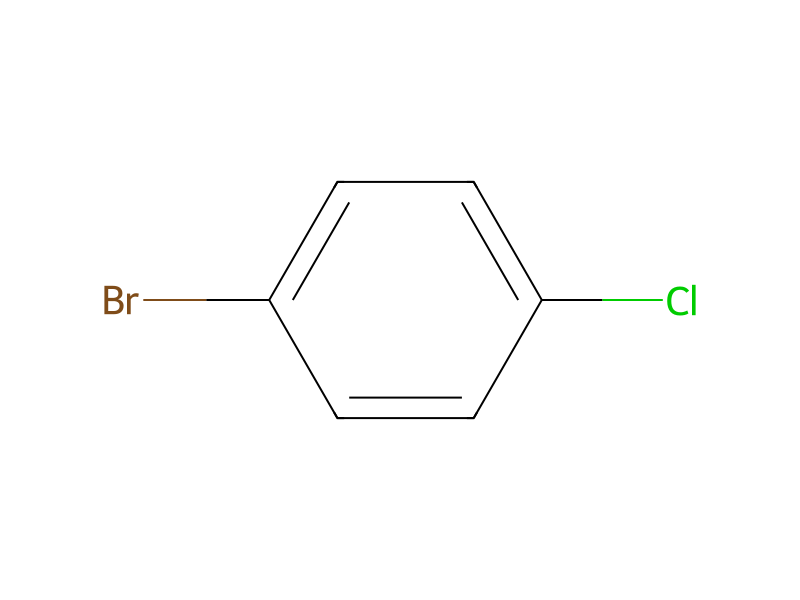
[NH:1]1[C:5]2=[CH:6][N:7]=[CH:8][CH:9]=[C:4]2[CH:3]=[CH:2]1.Br[C:11]1[CH:16]=[CH:15][C:14]([Cl:17])=[CH:13][CH:12]=1.[O-]P([O-])([O-])=O.[K+].[K+].[K+]>O1CCOCC1.[Cu]I>[Cl:17][C:14]1[CH:15]=[CH:16][C:11]([N:1]2[C:5]3=[CH:6][N:7]=[CH:8][CH:9]=[C:4]3[CH:3]=[CH:2]2)=[CH:12][CH:13]=1Participants
6
Reactant 3


Product 1

Reagents, catalysts & solvents 2


Procedure
A suspension of 1H-pyrrolo[2,3-c]pyridine (1.18 g, 10.0 mmol), 1-bromo-4-chlorobenzene (2.87 g, 15.0 mmol), copper(I) iodide (95.0 mg, 0.50 mmol), K3PO4 (4.46 g, 21.0 mmol) and trans-diaminocyclohexane (250 μL, 2.00 mmol) in 1,4-dioxane (15 mL) was heated to reflux for 5 days. The mixture was concentrated and the residue was purified by flash chromatography (EtOAc) to yield the title compound as a light brown solid (2.08 g, 90%). MS (ESI+) m/z=229, 231 (M+H)+.
Workup
- temperaturewas heated
- temperatureto reflux for 5 days
- concentrationThe mixture was concentrated
- customthe residue was purified by flash chromatography (EtOAc)
Sources & evidence
- ORD record
- ord-a1701057894346bbb1d550125b27b1fb
- Source dataset
- uspto-grants-2016_01
- Patent number
- US09227967B2
Linked notes
Loading…