1-Acetylpiperazine → HCID 46926731, compound
HRID 592173
Reaction equation

Cl[C:2]1[N:7]=[CH:6][C:5]([CH2:8][C:9]([NH:11][C:12]2[CH:17]=[CH:16][C:15]([C:18]3[CH:23]=[CH:22][CH:21]=[C:20]([F:24])[CH:19]=3)=[CH:14][N:13]=2)=[O:10])=[CH:4][CH:3]=1.[N:25]1([C:31](=[O:33])[CH3:32])[CH2:30][CH2:29][NH:28][CH2:27][CH2:26]1>CCOC(C)=O>[C:31]([N:25]1[CH2:30][CH2:29][N:28]([C:2]2[N:7]=[CH:6][C:5]([CH2:8][C:9]([NH:11][C:12]3[CH:17]=[CH:16][C:15]([C:18]4[CH:23]=[CH:22][CH:21]=[C:20]([F:24])[CH:19]=4)=[CH:14][N:13]=3)=[O:10])=[CH:4][CH:3]=2)[CH2:27][CH2:26]1)(=[O:33])[CH3:32]Participants
4
Reactant 2
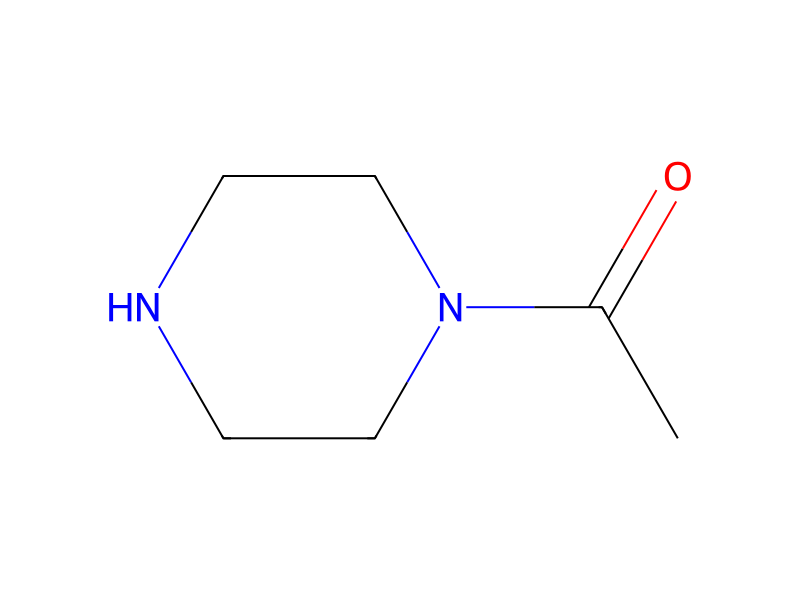

Product 1

Reagents, catalysts & solvents 1

Procedure
2-(6-Chloropyridin-3-yl)-N-(5-(3-fluorophenyl)pyridin-2-yl)acetamide 140-1 (100 mg, 0.29 mmol) was heated with 1-(piperazin-1-yl)ethanone (0.8 ml) at 108° C. for 4 hours. The mixture was dissolved in EtOAc (30 ml), washed with water (40 mL), and dried over Na2SO4. After concentration by evaporation, the residue was subjected to reverse phase HPLC to afford 2-(6-(4-acetylpiperazin-1-yl)pyridin-3-yl)-N-(5-(3-fluorophenyl)pyridin-2-yl)acetamide 140 as solid.