Reaction equation

[Br:1][C:2]1[CH:7]=[C:6]([N+:8]([O-])=O)[CH:5]=[CH:4][C:3]=1[CH:11]([CH3:13])[CH3:12]>[Pt].[Br-].[Br-].[Zn+2].CO>[Br:1][C:2]1[CH:7]=[C:6]([CH:5]=[CH:4][C:3]=1[CH:11]([CH3:13])[CH3:12])[NH2:8]Participants
5
Reactant 1

Product 1

Reagents, catalysts & solvents 3


Procedure
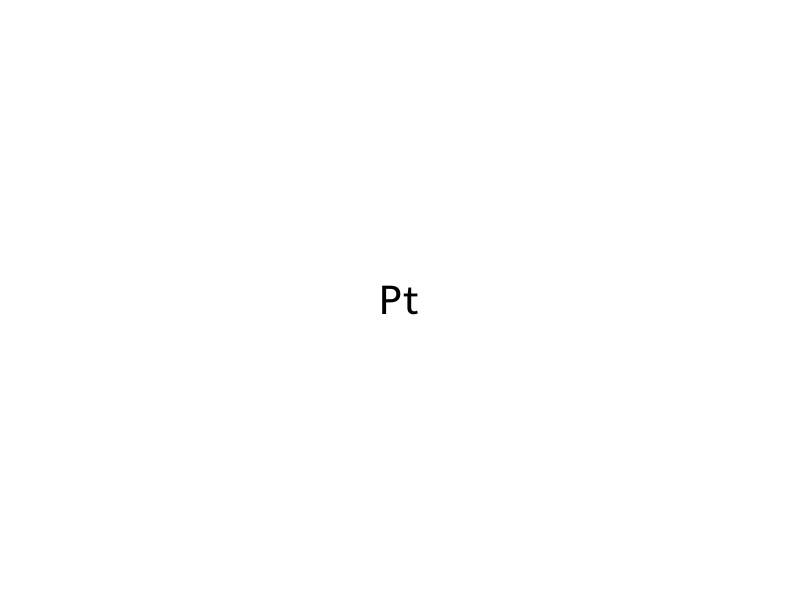
2-Bromo-1-isopropyl-4-nitrobenzene (XI) (20 g, 79.1 mmol, 96.5 GC % by area), methanol 400 ml), platinum on carbon (1% of platinum, 2% of vanadium, moist with water) (1.0 g, 0.018 mmol) and zinc dibromide (90 mg, 0.40 mmol) were placed in a 600 ml autoclave. The autoclave was subsequently flushed with nitrogen and pressurized to 5 bar with hydrogen at room temperature. The contents of the autoclave were filtered through Celite, washed with methanol and the solvent was distilled off under reduced pressure. 3-Bromo-4-isopropylaniline (17.1 g, 93 LC-% by area, 98.3 GC-% by area, 98% of theory) was obtained as a brown oil.
Workup
- customThe autoclave was subsequently flushed with nitrogen
- custompressurized to 5 bar with hydrogen at room temperature
- filtrationThe contents of the autoclave were filtered through Celite
- washwashed with methanol
- distillationthe solvent was distilled off under reduced pressure
Sources & evidence
- ORD record
- ord-02b1d4e161dd4127b3a7e3bbf1ee15c3
- Source dataset
- uspto-grants-2016_09
- Patent number
- US09440908B2
Linked notes
Loading…