Reaction equation

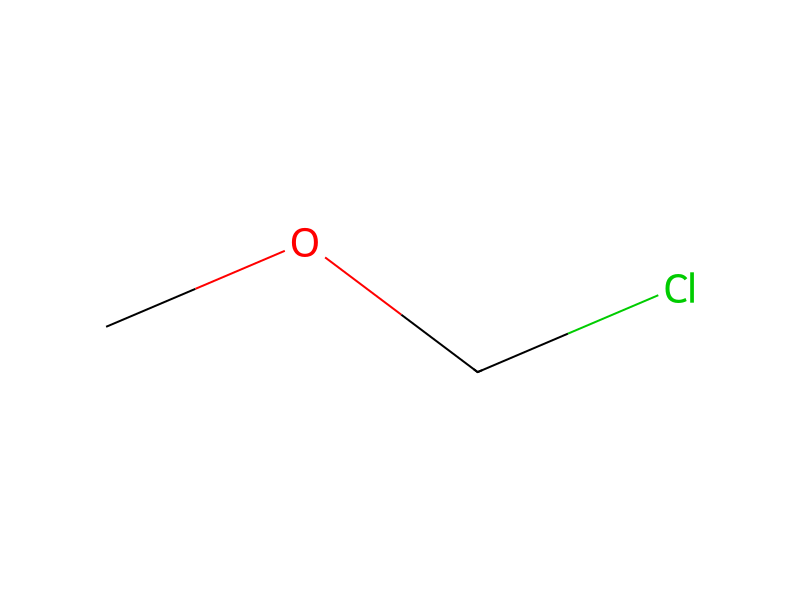
[Cl:1][C:2]1[CH:20]=[CH:19][CH:18]=[C:17]([Cl:21])[C:3]=1[C:4]([NH:6][C:7]([NH:9][C:10]1[CH:15]=[CH:14][C:13]([Cl:16])=[CH:12][CH:11]=1)=[O:8])=[O:5].[OH-].[K+].CI.[CH3:26][O:27][CH2:28]Cl>CN(C)C=O>[Cl:1][C:2]1[CH:20]=[CH:19][CH:18]=[C:17]([Cl:21])[C:3]=1[C:4]([N:6]([CH2:26][O:27][CH3:28])[C:7]([NH:9][C:10]1[CH:11]=[CH:12][C:13]([Cl:16])=[CH:14][CH:15]=1)=[O:8])=[O:5]Participants
6
Reactant 4



Product 1

Reagents, catalysts & solvents 1

Procedure
10.3 g of N-(2,6-dichlorobenzoyl)-N'-(4-chlorophenyl)-urea and 1.88 g of powdered potassium hydroxide (90%) are dissolved 40 ml of dimethyl formamide, after which 4.7 g of methyl iodide are added drop by drop to the clear solution. The resulting reaction is exothermic. After stirring for two hours the solution is diluted with ice water and the solid substance is isolated. Yield 10.3 g. Melting point 124°-126° C. In a completely similar manner but using methoxymethylchloride instead of methyliodide, N-(2,6-dichlorobenzoyl)-N-(methoxymethyl)-N'-(4-chlorophenyl)-urea is produced. Melting point 121.5°-122.5° C.
Workup
- customThe resulting reaction
- customthe solid substance is isolated
Sources & evidence
- ORD record
- ord-90a2957f86b047e0905f53236d6136b7
- Source dataset
- uspto-grants-1977_03
- Patent number
- US04013717
Linked notes
Loading…