Reaction equation

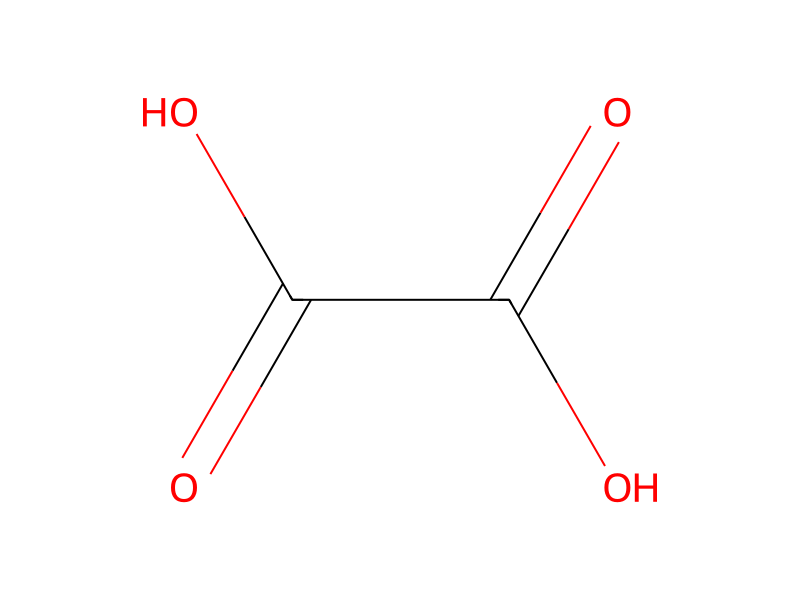
[S:1]1[C:5]2[CH:6]=[C:7]([CH2:10][CH2:11][O:12][CH2:13][CH2:14][N:15]3[CH2:19][CH2:18][CH:17]([OH:20])[CH2:16]3)[CH:8]=[CH:9][C:4]=2[CH:3]=[CH:2]1.[C:21]([OH:26])(=[O:25])[C:22]([OH:24])=[O:23]>C(OCC)(=O)C>[C:21]([OH:26])(=[O:25])[C:22]([OH:24])=[O:23].[S:1]1[C:5]2[CH:6]=[C:7]([CH2:10][CH2:11][O:12][CH2:13][CH2:14][N:15]3[CH2:19][CH2:18][CH:17]([OH:20])[CH2:16]3)[CH:8]=[CH:9][C:4]=2[CH:3]=[CH:2]1Participants
4



Procedure
0.48 g of 1-(2-(2-(1-benzothiophene-6-yl)ethoxy)ethyl)-3-pyrrolidinol was dissolved in 2.0 ml of ethyl acetate. Thereafter, 2.8 ml of an ethyl acetate solution containing 0.15 g of oxalic acid was added to the obtained solution, and the mixture was stirred at a room temperature for 1 hour and then at 5° C. for 1 hour. Thereafter, precipitated crystals were collected by filtration and were then washed with ethyl acetate, followed by drying, so as to obtain 0.42 g of an achromatic crystal, 1-(2-(2-(1-benzothiophene-6-yl)ethoxy)ethyl)-3-pyrrolidinol oxalate.
Workup
- additionwas added to the obtained solution
- waitat 5° C. for 1 hour
- customThereafter, precipitated crystals
- filtrationwere collected by filtration
- washwere then washed with ethyl acetate
- customby drying
Sources & evidence
- ORD record
- ord-c785b7893c5d484194005ca6367e8eef
- Source dataset
- uspto-grants-2011_03
- Patent number
- US07897594B2
Linked notes
Loading…