Reaction equation

[Br-].[Li+].[CH3:3][C:4]1([O:7][CH2:6]1)[CH3:5].[CH2:8]([NH:15][CH2:16][C:17]([CH3:19])=[CH2:18])[C:9]1[CH:14]=[CH:13][CH:12]=[CH:11][CH:10]=1>C(Cl)Cl>[CH2:8]([N:15]([CH2:16][C:17]([CH3:19])=[CH2:18])[CH2:6][C:4]([CH3:5])([OH:7])[CH3:3])[C:9]1[CH:14]=[CH:13][CH:12]=[CH:11][CH:10]=1Participants
5
Reactant 3


Product 1

Reagents, catalysts & solvents 1

Procedure
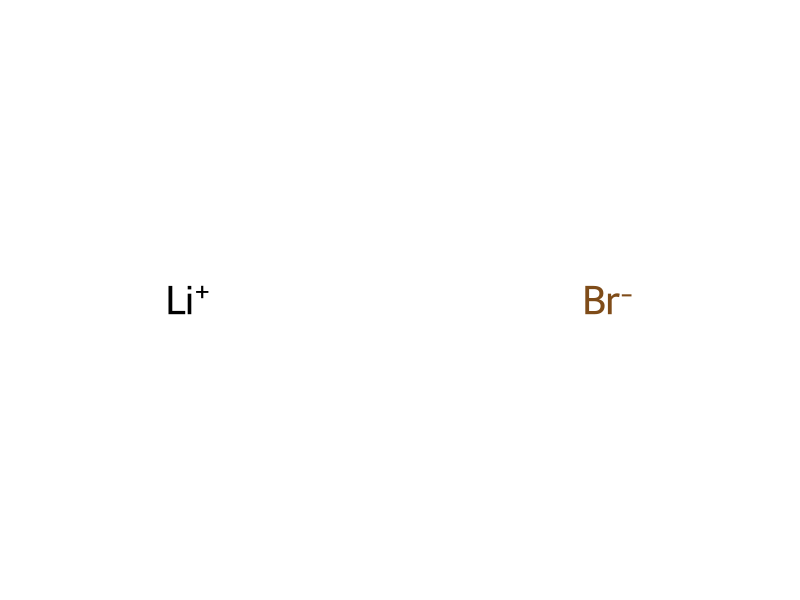
Add lithium bromide (955 mg, 11.0 mmol) to a mixture of isobutylene oxide (6.20 mL, 68.8 mmol) and benzyl-(2-methyl-allyl)-amine (9.51 g, 59.0 mmol). Stir the mixture for 3.5 h at room temperature then treat with additional epoxide (1.5 mL, 16.6 mmol) and heat at 60° C. for 1.7 h. Dilute the mixture with CH2Cl2 (200 mL) and wash with water (200 mL). Dry, filter and concentrate the organic solution. Dry the residue at 80° C. under vacuum to give the title compound (13.5 g, 98%) as a colorless oil. 1H NMR (400 MHz, DMSO-d6): δ 7.2-7.4 (5H, m), 4.90 (1H, s), 4.83 (1H, s), 4.18 (1H, s), 3.59 (2H, s), 2.98 (2H, s), 2.27 (2H, s), 1.71 (3H, s), 1.05 (6H, s).
Workup
- temperatureheat at 60° C. for 1.7 h
- washwash with water (200 mL)
- customDry
- filtrationfilter
- concentrationconcentrate the organic solution
- customDry the residue at 80° C. under vacuum
Sources & evidence
- ORD record
- ord-5ce78b18571d4497a89875b389e65505
- Source dataset
- uspto-grants-2011_03
- Patent number
- US07902356B2
Linked notes
Loading…