Perchloric Acid → 5-bromo-3-(2-methoxyphenyl)-1H-pyrrolo(2,3-b)pyridine
HRID 603085
Reaction equation

[Br:1][C:2]1[CH:3]=[C:4]([C:9]([C:13]2[CH:18]=[CH:17][C:16](OC)=[CH:15][CH:14]=2)=[CH:10]OC)[C:5]([NH2:8])=[N:6][CH:7]=1.Cl(O)(=O)(=O)=O.[O:26]1CCOC[CH2:27]1>>[Br:1][C:2]1[CH:3]=[C:4]2[C:9]([C:13]3[CH:14]=[CH:15][CH:16]=[CH:17][C:18]=3[O:26][CH3:27])=[CH:10][NH:8][C:5]2=[N:6][CH:7]=1Participants
4
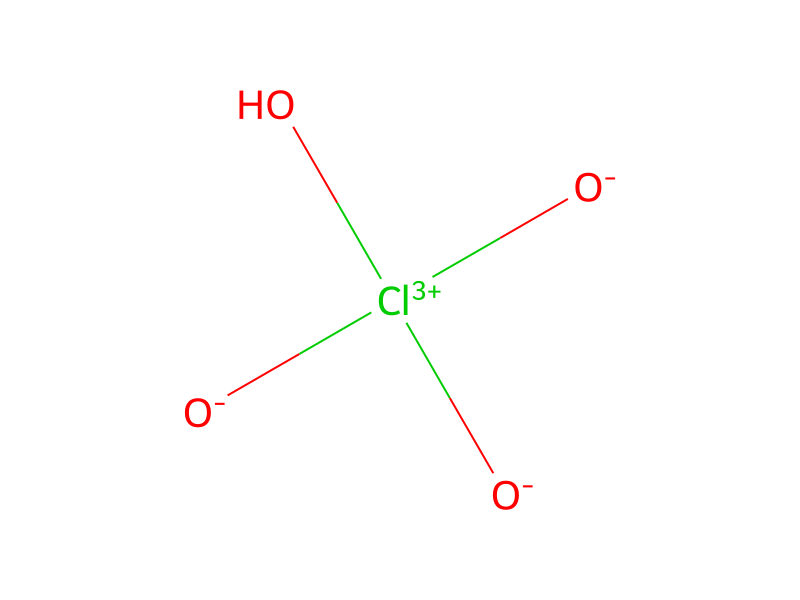



Conditions
- Temperature
- 100 °C
Procedure
A 50 ml round bottomed flask was charged with 403 mg of 5-bromo-3-[2-methoxy-1-(4-methoxy-phenyl)-vinyl]-pyridin-2-ylamine (1.2 mmol; combined E- and Z-isomers), 1,4-dioxane (5 ml), and 70% aqueous perchloric acid (250 μl). The flask, was fitted with a reflux condenser and nitrogen inlet adapter and heated in an oil bath to 100° C. for 8 hours. The reaction mixture was concentrated, then treated with 1.5 ml of a saturated aqueous solution of sodium bicarbonate followed by ethyl acetate (20 ml). The layers were separated, and the aqueous fraction was extracted twice with ethyl acetate. The combined organic fractions were washed with brine, dried (Na2SO4), filtered, and concentrated. The residue was triturated with ether to afford 300 mg (82%) of 5-bromo-3-(2-methoxy-phenyl)-1H-pyrrolo[2,3-b]pyridine as a tan powder. 1H-NMR (d6-DMSO) δ=12.16 (br. s, 1H), 8.36 (d, 1H), 8.18 (d, 1H), 7.82 (d, 1H), 7.5.8 (d, 1H), 7.36 (t, 1H), 7.19 (d, 1H), 7.10 (t, 1H), 3.88 (s, 3H); MS m/z: 303 [H]+.