Acetoacetic Acid → Daidzein diacetate
HRID 603266
Reaction equation

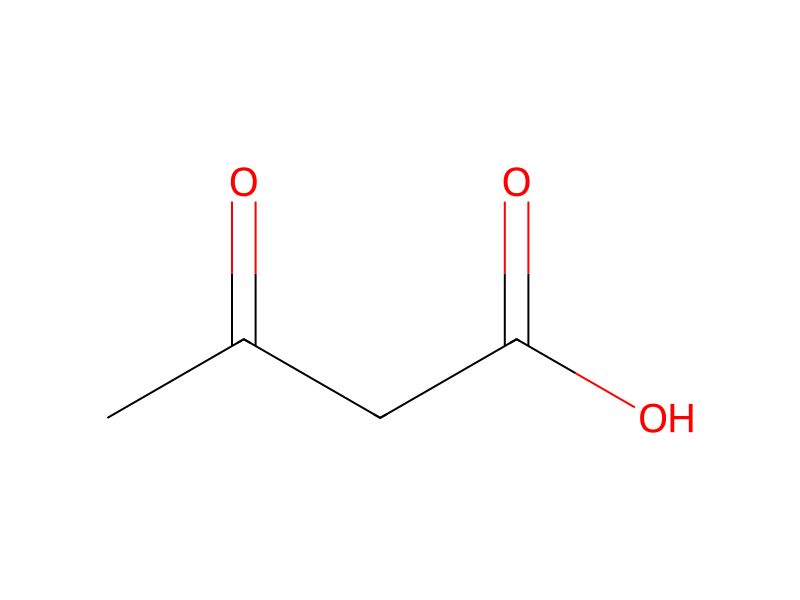
[CH:1]1[C:6]([C:7]2[C:16](=[O:17])[C:15]3[CH:14]=[CH:13][C:12]([OH:18])=[CH:11][C:10]=3[O:9][CH:8]=2)=[CH:5][CH:4]=[C:3]([OH:19])[CH:2]=1.[C:20](OC(=O)C)(=[O:22])[CH3:21].[CH3:27][C:28](CC(O)=O)=[O:29]>N1C=CC=CC=1>[CH3:21][C:20]([O:19][C:3]1[CH:4]=[CH:5][C:6]([C:7]2[C:16](=[O:17])[C:15]3[CH:14]=[CH:13][C:12]([O:18][C:28]([CH3:27])=[O:29])=[CH:11][C:10]=3[O:9][CH:8]=2)=[CH:1][CH:2]=1)=[O:22]Participants
5
Reactant 3

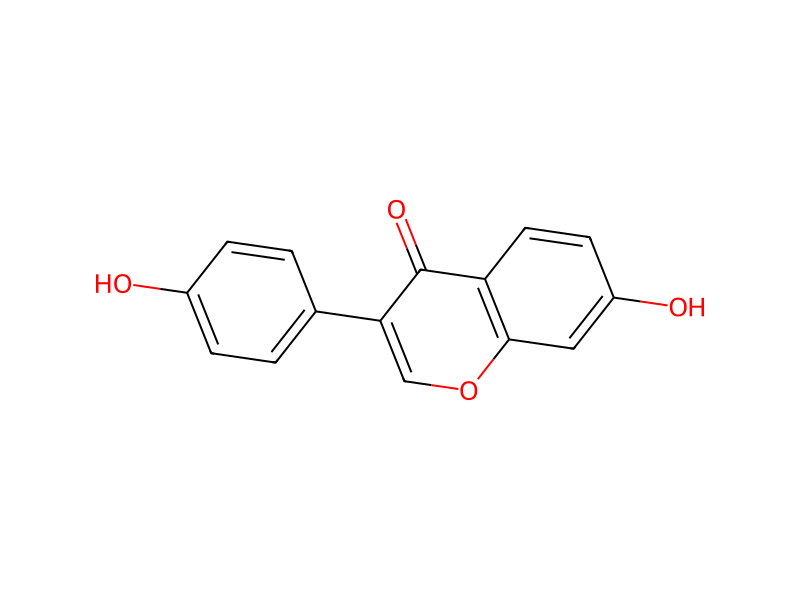
Product 1

Reagents, catalysts & solvents 1

Procedure
A mixture of daidzein (2.0 g, 7.9 mmol), acetic anhydride (10 ml) and pyridine (2 ml) was heated on an oil bath at 105-110 C. for 1 h. After cooling the mixture to room temperature, it was stirred for a further 30 min during which time the diacetate crystallised from the solution. The product was filtered, washed thoroughly with water and recrystallised from methanol to yield daidzein diacetate as colourless prisms (2.4 g, 90%).