HomeMCPWorkbenchSkills
HomeWorkbenchNotificationsMe
llms.txt · MCP GuidePrivacy Policy · Terms of Service · Supportv1.8.3
  1. Home
  2. /Reaction

Triethylamine → 3-(5-Bromo-2-furyl)acryloyl azide

HRID 60383
Print

Reaction equation

HRID 60383 reaction equation
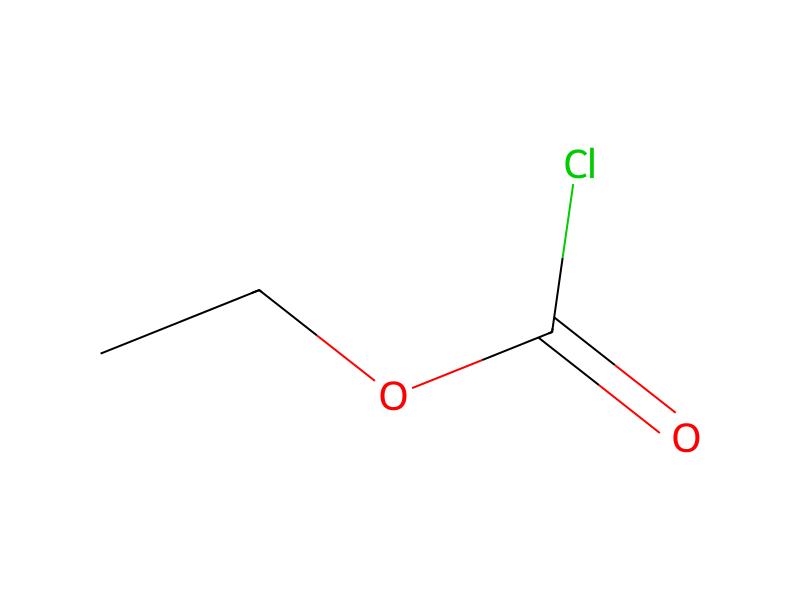
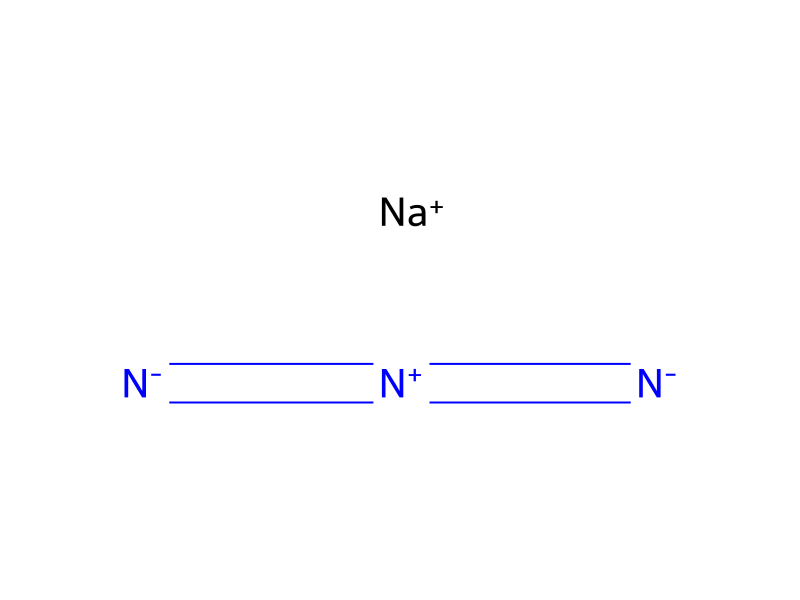
[Br:1][C:2]1[O:6][C:5]([CH:7]=[CH:8][C:9]([OH:11])=O)=[CH:4][CH:3]=1.C(N(CC)CC)C.ClC(OCC)=O.[N-:25]=[N+:26]=[N-:27].[Na+]>C(#N)C>[Br:1][C:2]1[O:6][C:5]([CH:7]=[CH:8][C:9]([N:25]=[N+:26]=[N-:27])=[O:11])=[CH:4][CH:3]=1
ParticipantsProcedureWorkupSources & evidenceReaction notes

Participants

6

Reactant 4

HCID 8471TriethylamineHCID 10928Ethyl chloroformateHCID 33557Sodium AzideHCID 9460883-(5-Bromofuran-2-yl)prop-2-enoic acid

Product 1

HCID 1317370893-(5-Bromo-2-furyl)acryloyl azideYield 44.7%

Reagents, catalysts & solvents 1

HCID 6342
Acetonitrile
Solvent

Procedure

To a solution of 3-(5-bromo-2-furyl)acrylic acid (41.5 g) in acetonitrile (200 mL) were added triethylamine (23.0 g) and ethyl chloroformate (26.1 g). The mixture was stirred at room temperature for 30 min. To the obtained mixture was added a saturated aqueous solution of sodium azide (18.7 g) at 0° C. and the mixture was stirred at room temperature for 5 hr. The reaction mixture was filtered, and the obtained solid was washed with water. The solid was recrystallized from dichloromethane to give the title compound (20.7 g) as white solid.

Workup

  1. stirringthe mixture was stirred at room temperature for 5 hr
  2. filtrationThe reaction mixture was filtered
  3. washthe obtained solid was washed with water
  4. customThe solid was recrystallized from dichloromethane

Sources & evidence

ORD record
ord-f311bd1396044febb1d35e93ccc5e430
Source dataset
uspto-grants-2016_09
DOI
10.6084/m9.figshare.5104873.v1
Patent number
US09440987B2

Reaction notes

On this pageParticipantsProcedureWorkupSources & evidenceReaction notes