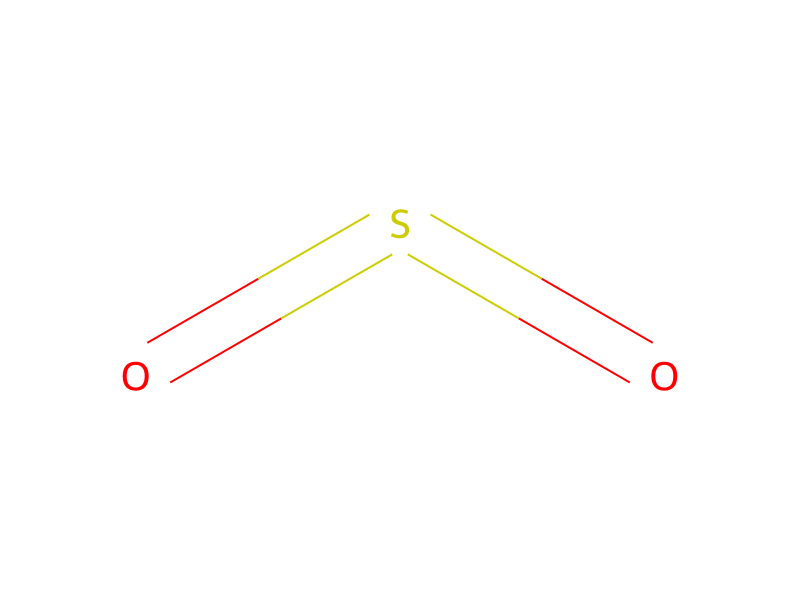
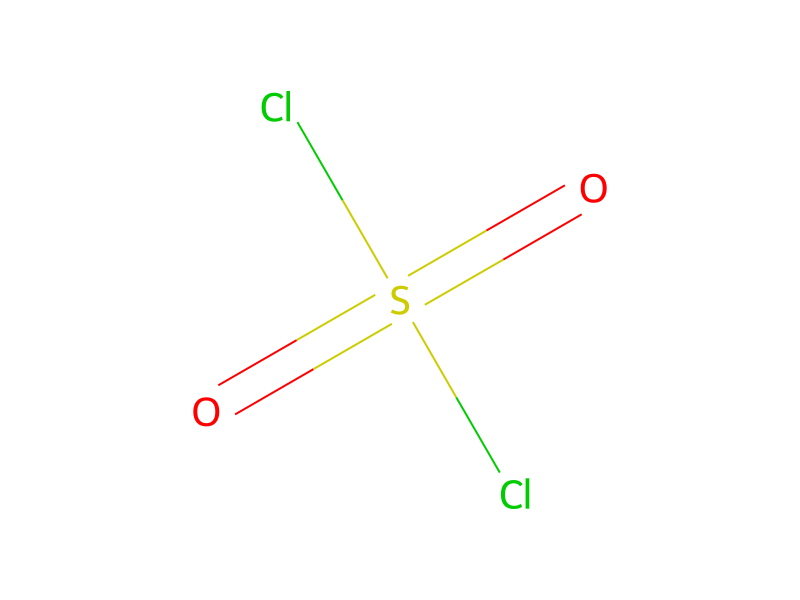
2-bromo-1-fluoro-3-trifluoromethylbenzene (1.0 eq.) was taken up in tetrahydrofuran (0.5 M) and diethyl ether (0.5 M) and cooled to −78° C. nbutyllithium (2.5M, 1.0 eq.) was added dropwise and the reaction stirred for 40 minutes. A volume of sulfur dioxide equal to the volume of THF was condensed and diluted with two volumes of ether. The lithium salt of the benzene was canulated into the sulfur dioxide and the reaction was allowed to slowly warm to room temperature. The solvent was removed and the resulting salt was washed with ether then taken up in hexanes (1.0M) and cooled in and ice bath. Sulfuryl chloride (1.06 eq.) was added and the reaction warmed to room temperature and stirred for 5 hours. The solvent was removed to give 2-fluoro-6-trifluoromethylbenzenesulfonyl chloride as a white, oily solid in 65% yield. The product was used crude. 1H NMR (400 MHz, DMSO-D6) □ ppm 7.46 (m, 1H), 7.52 (m, 2H).