N-Phenyl-o-phenylenediamine → 2-(4-Bromophenyl)-1-phenyl-1H-benzo(d)imidazole
HRID 604238
Reaction equation

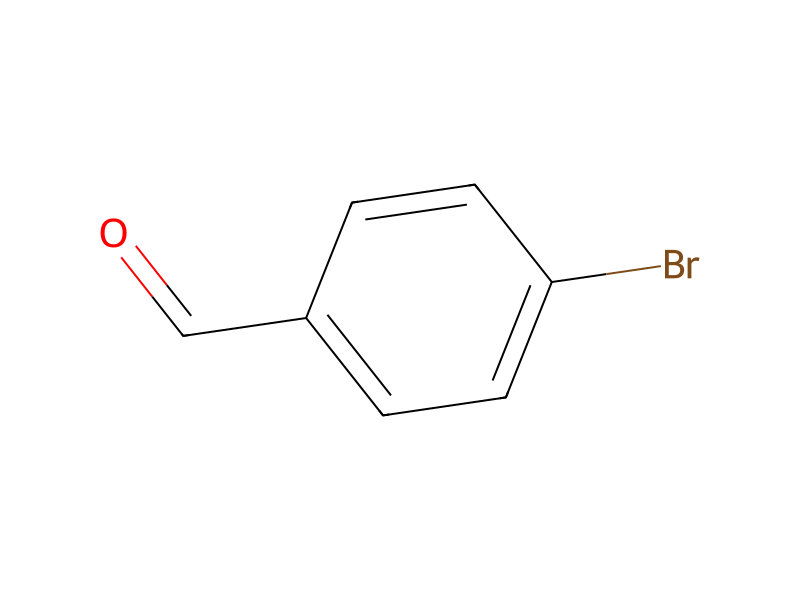
[C:1]1([NH:7][C:8]2[CH:13]=[CH:12][CH:11]=[CH:10][C:9]=2[NH2:14])[CH:6]=[CH:5][CH:4]=[CH:3][CH:2]=1.[Br:15][C:16]1[CH:23]=[CH:22][C:19]([CH:20]=O)=[CH:18][CH:17]=1>>[Br:15][C:16]1[CH:23]=[CH:22][C:19]([C:20]2[N:7]([C:1]3[CH:2]=[CH:3][CH:4]=[CH:5][CH:6]=3)[C:8]3[CH:13]=[CH:12][CH:11]=[CH:10][C:9]=3[N:14]=2)=[CH:18][CH:17]=1Participants
3


Procedure
To a flask containing N-phenyl-o-phenylenediamine (9.21 g, 50 mmol) and 4-bromobenzaldehyde (9.25 g, 50 mmol) was added 50 mL of 20-methoxyethanol. After the mixture was refluxed for 48 h, the volatile was removed under vacuum and the residue was extracted with CH2Cl2. The organic extract was washed with brine, dried over anhydrous MgSO4, filtered and pumped dry. The crude product was purified by column chromatography using a mixture of CH2Cl2 and n-hexane (1:1 by vol.) as the eluent. Analytically pure 2-(4-bromophenyl)-1-phenyl-1H-benzo[d]imidazole was isolated as a white solid in 72% (9.77 g) yield. 1H NMR (400 MHz, CDCl3): δ 7.68 (d, 1 H, J=8.0 Hz), 7.35-7.29 (m, 4 H), 7.24-7.20 (m, 1 H), 7.15-7.02 (m, 7 H). MS (FAB): m/z 348.9 (M+). Anal. calcd. for C19H13BrN2: C, 65.35; H, 3.75; N, 8.02. Found: C, 65.22; H, 3.78; N, 8.01.