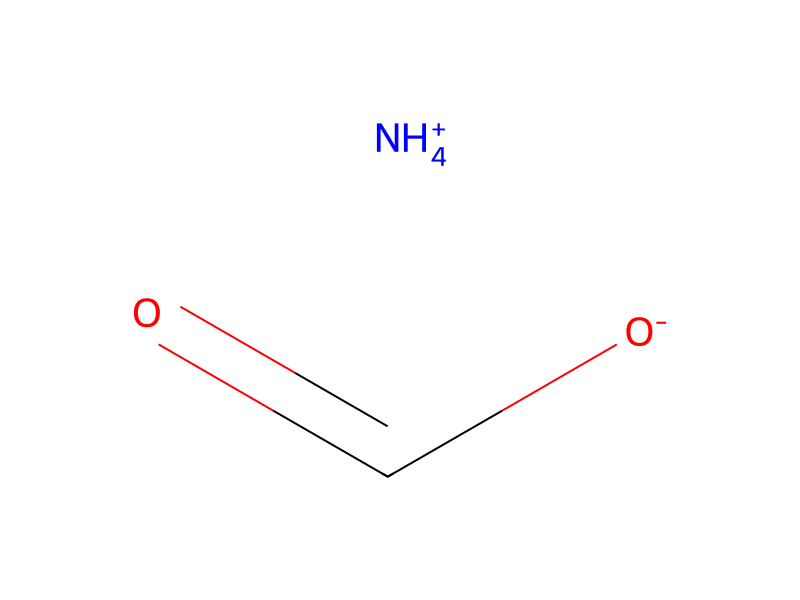
[CH:1]([N:4]1[C:8]2[N:9]=[CH:10][N:11]=[C:12]([NH2:13])[C:7]=2[C:6]([C:14]2[CH:19]=[CH:18][C:17]([O:20][C:21]3[CH:26]=[CH:25][CH:24]=[CH:23][C:22]=3[N+:27]([O-])=O)=[CH:16][CH:15]=2)=[CH:5]1)([CH3:3])[CH3:2].C([O-])=O.[NH4+]>[Pd].C(O)C>[NH2:27][C:22]1[CH:23]=[CH:24][CH:25]=[CH:26][C:21]=1[O:20][C:17]1[CH:16]=[CH:15][C:14]([C:6]2[C:7]3[C:12]([NH2:13])=[N:11][CH:10]=[N:9][C:8]=3[N:4]([CH:1]([CH3:3])[CH3:2])[CH:5]=2)=[CH:19][CH:18]=1A mixture of 7-isopropyl-5-[4-(2-nitrophenoxy)phenyl]-7H-pyrrolo[2,3-d]-pyrimidin-4-ylamine (0.15 g), ammonium formate (3 equivalents), 10% palladium on charcoal (15 mg) and ethanol (5 ml) was boiled under reflux under nitrogen for 2 hours. Further ammonium formate (100 mg) was added after one hour. The mixture was cooled and filtered through silica. The filter bed was washed with industrial methylated spirit (2×10 ml). The filtrate was evaporated and the residue was extracted with ethyl acetate. The ethyl acetate was removed under reduced pressure to give a residue which was purified by flash column chromatography on silica using ethyl acetate as the mobile phase to give 5-[4-(2-aminophenoxy)phenyl]-7-isopropyl-7H-pyrrolo[2,3-d]-pyrimidin-4-ylamine. The structure was confirmed by 1H nmr.