HomeMCPWorkbenchSkills
HomeWorkbenchNotificationsMe
llms.txt · MCP GuidePrivacy Policy · Terms of Service · Supportv1.8.0
  1. Home
  2. /Reaction

Ethylene Glycol → Ethylene glycol dimethacrylate

HRID 613794
Notes
Print preview

Reaction equation

HRID 613794 reaction equation
[CH2:1]([OH:4])[CH2:2][OH:3].[C:5]([O:10]C)(=O)[C:6]([CH3:8])=[CH2:7].[CH2:12]1[CH2:17][CH2:16]CCC1.C[Sn](Cl)(Cl)C.[CH3:23][OH:24]>C[O-].[Na+].CO.C(=O)([O-])[O-].[Na+].[Na+].COC1C=CC(O)=CC=1.[Br-].[Na+]>[C:23]([O:3][CH2:2][CH2:1][O:4][C:5](=[O:10])[C:6]([CH3:8])=[CH2:7])(=[O:24])[C:17]([CH3:16])=[CH2:12]
ParticipantsProcedureWorkupSources & evidenceReaction notes

Participants

11

Reactant 5

HCID 174Ethylene GlycolHCID 887MethanolHCID 6658Methyl MethacrylateHCID 8078CyclohexaneHCID 12955Dimethyltin dichloride

Product 1

HCID 7355Ethylene glycol dimethacrylateYield 9,282.8%

Reagents, catalysts & solvents 5

HCID 887MethanolCatalyst
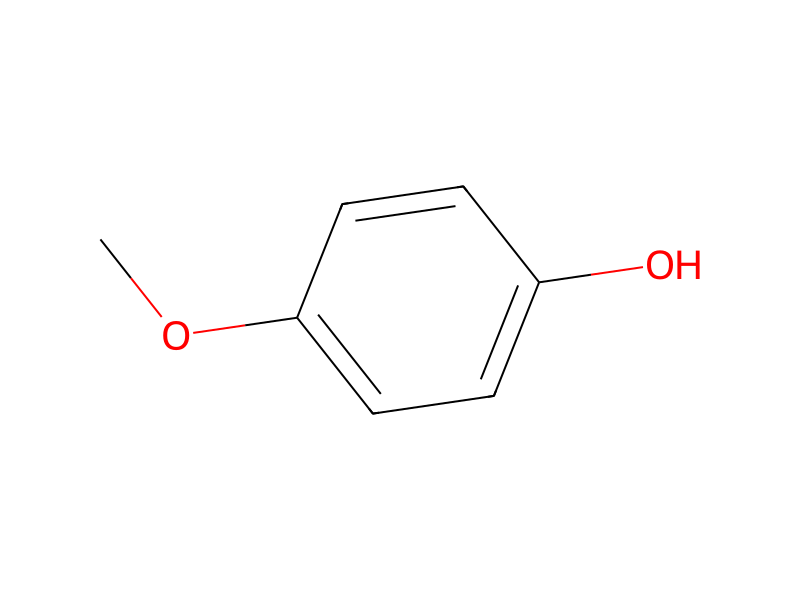
HCID 90154-MethoxyphenolCatalyst
HCID 10340Sodium CarbonateCatalyst
HCID 253881Sodium BromideCatalyst
HCID 10942334Sodium MethoxideSolvent

Procedure

A 3-L round-bottomed, 4-necked flask is fitted with a 1-ft. fractionating column, variable reflux distillation head, air sparge tube, and a side arm containing a mercury thermometer and addition funnel. The air sparge rate is set to 30 mL/min. The flask is charged with ethylene glycol (310 g, 5 moles), methyl methacrylate (1200 g, 12 moles), cyclohexane (80 g, 1 mole), 73% dimethyltin dichloride in methanol (15 g, 0.05 moles), 25% sodium methoxide in methanol (10.8 g, 0.05 moles), 5.3 g (0.05 moles) of sodium carbonate, 8 g of MEHQ and 8 g of sodium bromide. The cyclohexane methanol azeotrope is removed via distillation. The methanol is removed from the overhead by washing it with water, and the cyclohexane is returned to the flask. The reaction is continued until the ratio of EGDMA to hydroxyethyl methacrylate exceeds 50:1. The excess methyl methacrylate and cyclohexane are removed via distillation, and the crude EGDMA is diluted with an equal weight of cyclohexane. The organic solution is washed twice with 20% of its weight of 20% caustic followed by brine. The separations of the organic and aqueous phases are in all cases rapid and sharp indicating the absence of polymer. The cyclohexane is removed from the product by distillation yielding 920 g (93%) of EGDMA.

Workup

  1. customA 3-L round-bottomed, 4-necked flask is fitted with a 1-ft. fractionating column
  2. temperaturevariable reflux
  3. distillationdistillation head, air
  4. customsparge tube
  5. additiona side arm containing
  6. additiona mercury thermometer and addition funnel
  7. customThe air sparge rate
  8. customThe cyclohexane methanol azeotrope is removed via distillation
  9. customThe methanol is removed from the overhead
  10. washby washing it with water
  11. customThe excess methyl methacrylate and cyclohexane are removed via distillation
  12. additionthe crude EGDMA is diluted with an equal weight of cyclohexane
  13. washThe organic solution is washed twice with 20% of its weight of 20%
  14. customThe cyclohexane is removed from the product by distillation

Sources & evidence

ORD record
ord-6ce983ebba214d79a8fc4656ec7ca636
Source dataset
uspto-grants-1999_12
DOI
10.6084/m9.figshare.5104873.v1
Patent number
US06008404

Reaction notes

Loading…

On this pageParticipantsProcedureWorkupSources & evidenceReaction notes