Potassium Cyanide → 5-(2-Diethylphosphonoethyl)-5-methylhydantoin
HRID 614667
Reaction equation

O=[C:2]([CH3:13])[CH2:3][CH2:4][P:5](=[O:12])([O:9][CH2:10][CH3:11])[O:6][CH2:7][CH3:8].[C-]#N.[K+].[C:17](=[O:20])([O-])[O-].[NH4+:21].[NH4+:22].[CH2:23]([OH:25])C.O>>[CH2:7]([O:6][P:5]([CH2:4][CH2:3][C:2]1([CH3:13])[NH:22][C:23](=[O:25])[NH:21][C:17]1=[O:20])([O:9][CH2:10][CH3:11])=[O:12])[CH3:8]Participants
5


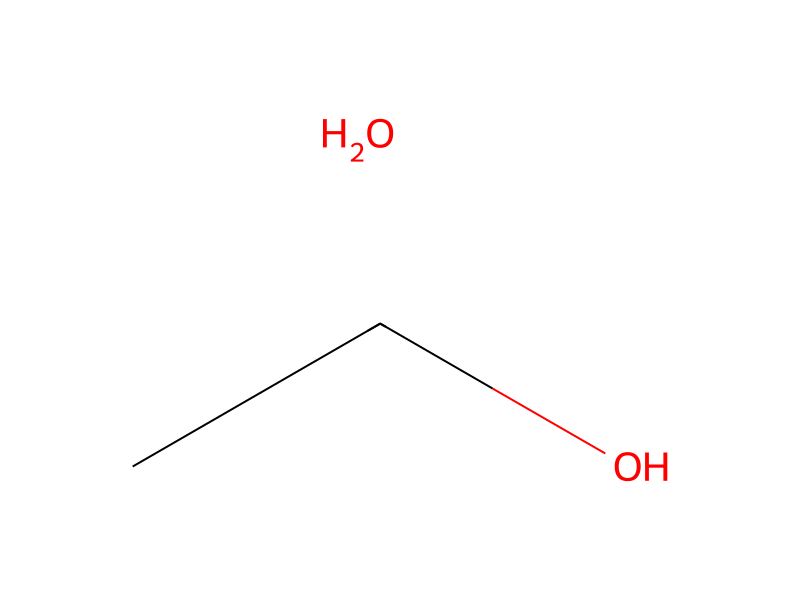

Procedure
A mixture of 208 grams (1 mole) of diethyl 3-oxobutylphosphonate, 130 grams (2 moles) of potassium cyanide, and 456 grams (4.75 moles) of ammonium carbonate dissolved in 2200 ml of 50:50 ethanol-water was heated and stirred under nitrogen at reflux for five hours. After the heating period, the reaction mixture was stripped in vacuo at 70° C./16 mm and the residue dried at 75° C./0.1 mm. Anhydrous ethanol, 1100 ml, was added to the residue and the mixture boiled until only inorganic salts remained undissolved. The suspension was cooled and then filtered. The clear filtrate was cooled to 5°-10° C. and anhydrous hydrogen chloride was bubbled in until the mixture had a pH of about 2. The resulting turbid solution was warmed at 40°-50° C. with 25 grams of charcoal and refiltered. The ethanol solution was then heated in vacuo to give a viscous syrup, 246 grams. The crude syrup was recrystallized from ethyl acetate to give a white crystalline product in a yield of 145 grams (52% of theory), m.p. 100°-103° C.