Formaldehyde → 2-(2-Methyl-4-nitrophenyl)propane-1,3-diol
Reaction equation

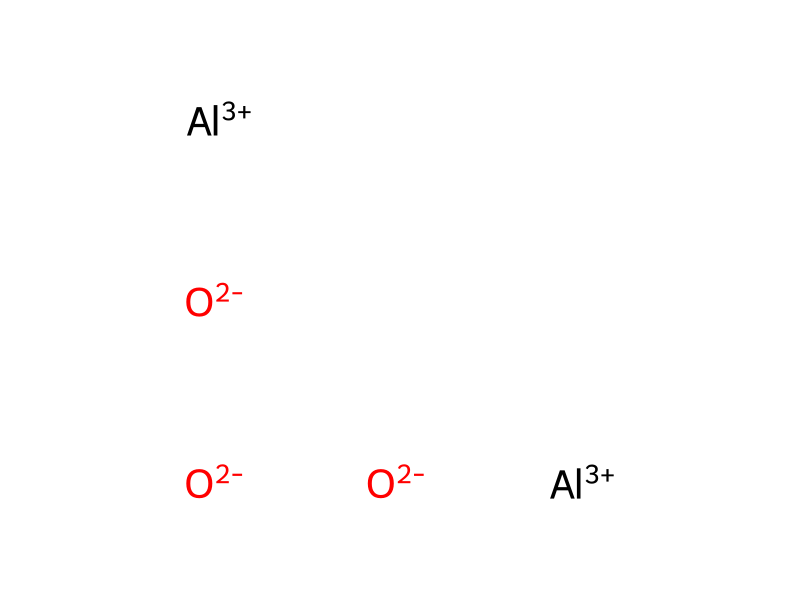
[N+:1]([C:4]1[CH:5]=[C:6]([CH3:11])[C:7]([CH3:10])=[CH:8][CH:9]=1)([O-:3])=[O:2].[CH2:12]=[O:13].[C:14]([O-:17])([O-])=O.[K+].[K+].[O-2].[O-2].[O-2].[Al+3].[Al+3]>CS(C)=O>[CH3:11][C:6]1[CH:5]=[C:4]([N+:1]([O-:3])=[O:2])[CH:9]=[CH:8][C:7]=1[CH:10]([CH2:14][OH:17])[CH2:12][OH:13]Participants
6
Reactant 4



Product 1

Reagents, catalysts & solvents 1

Conditions
- Temperature
- 500 °C
Procedure
1.2 g (8.0 mmol) 4-Nitro-o-xylene and 0.66 g (22 mmol) paraformaldehyde were added to a mixture of 1.2 g catalyst in 4 ml of dimethylsulphoxide. The catalyst had been prepared by heating for 24 hours at 500° C. a composition containing 20 g K2CO3 per 100 g gamma-alumina, i.e. 2.89 mmol K+ /g Al2O3. The reaction mixture was stirred under nitrogen at 20°-25° C. The conversion of 4-nitro-o-xylene and the selectivity during the reaction were determined by gas-liquid chromatography, whereby the alcohols were analysed via their trimethylsilyl ethers. The results are given in Table I.
Workup
- customThe catalyst had been prepared
Sources & evidence
- ORD record
- ord-7e4038fb7089486dbf7be45fe60c5ace
- Source dataset
- uspto-grants-1985_02
- Patent number
- US04497966
Reaction notes
Loading…