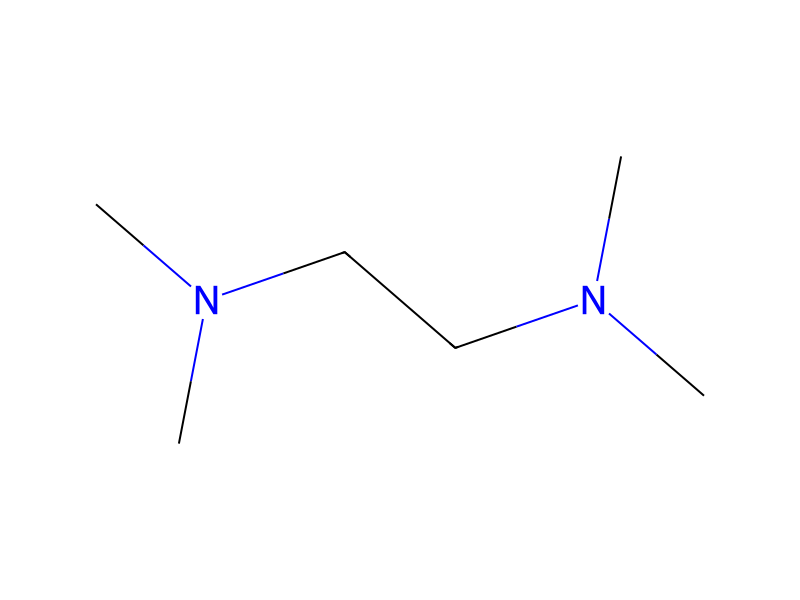
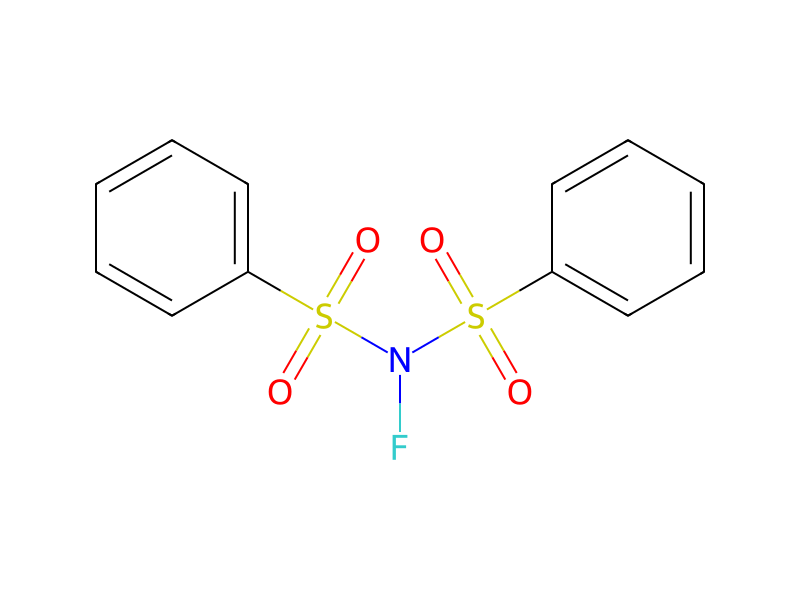
[O:1]=[C:2]1[C:10]2[C:5](=[CH:6][CH:7]=[CH:8][CH:9]=2)[C:4](=[O:11])[N:3]1[CH:12]([CH2:17][CH2:18][C:19]([O:21][CH3:22])=[O:20])[C:13]([O:15][CH3:16])=[O:14].CN(C)CCN(C)C.C([Li])CCC.C1C=CC(S(N(S(C2C=CC=CC=2)(=O)=O)[F:46])(=O)=O)=CC=1>O1CCCC1>[O:11]=[C:4]1[C:5]2[C:10](=[CH:9][CH:8]=[CH:7][CH:6]=2)[C:2](=[O:1])[N:3]1[C:12]([F:46])([CH2:17][CH2:18][C:19]([O:21][CH3:22])=[O:20])[C:13]([O:15][CH3:16])=[O:14]To a stirred solution of dimethyl 2-(1,3-dioxoisoindolin-2-yl)-pentane-1,5-dioate (1.0 g, 3.3 mmol) and tetramethylethylene diamine (0.5 g, 4.3 mmol) in tetrahydrofuran (10 mL) is added 2.5 M n-butyl lithium (1.6 mL, 4 mmol,) at -79° C. After 30 minutes, N-fluorobenzenesulfonimide (1 g, 3.2 mmol) is added to the mixture which then is allowed to reach room temperature. The solvent is removed in vacuo and the residue is stirred with methylene chloride (100 mL) for 10 minutes. The organic layer is washed with water and brine (30 mL each), and dried over sodium sulfate. The solvent is removed in vacuo to yield dimethyl 2-(1,3-dioxoisoindolin-2-yl)-2-fluoropentane-1,5-dioate which is further purified by chromatography and converted to 1,3-dioxo-2-(2,6-dioxo-3-fluoropiperidin-3-yl)isoindoline as described above in Part D of Example 9.