Reaction equation

F[C:2]1[CH:9]=[CH:8][C:5]([CH:6]=[O:7])=[CH:4][CH:3]=1.[CH2:10]([NH:14][CH2:15][CH2:16][CH2:17][CH2:18][OH:19])[CH2:11][CH2:12][CH3:13].C(=O)([O-])[O-].[K+].[K+]>CS(C)=O>[OH:19][CH2:18][CH2:17][CH2:16][CH2:15][N:14]([C:2]1[CH:9]=[CH:8][C:5]([CH:6]=[O:7])=[CH:4][CH:3]=1)[CH2:10][CH2:11][CH2:12][CH3:13]Participants
5
Reactant 3


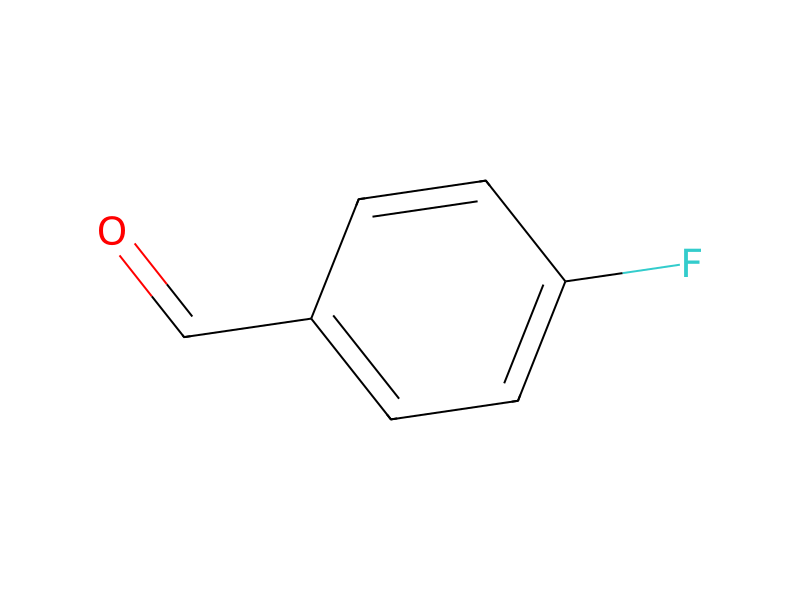
Product 1

Reagents, catalysts & solvents 1

Conditions
- Temperature
- 95 °C
Procedure
To a three neck flask fitted with a mechanical stirrer, a thermometer, and a condenser, is added 124 g (1 mole) of 4-fluorobenzaldehyde, 145.3 g (1 mole) of N-butyl-N-4-hydroxybutylamine, 138.2 g (1 mole) of anhydrous potassium carbonate, and dimethylsulfoxide. The mixture is then heated at 95° C. until the reaction is complete. After cooling to room temperature, the solution is poured into a four-fold excess of ice water, and the solid product is collected by filtration and purified by recrystallization from tetrahydrofuran/benzene.
Workup
- customTo a three neck flask fitted with a mechanical stirrer
- temperatureAfter cooling to room temperature
- filtrationthe solid product is collected by filtration
- custompurified by recrystallization from tetrahydrofuran/benzene
Sources & evidence
- ORD record
- ord-4683026ba7114d0ab4a570be14f1d8a7
- Source dataset
- uspto-grants-1993_09
- Patent number
- US05247042
Linked notes
Loading…