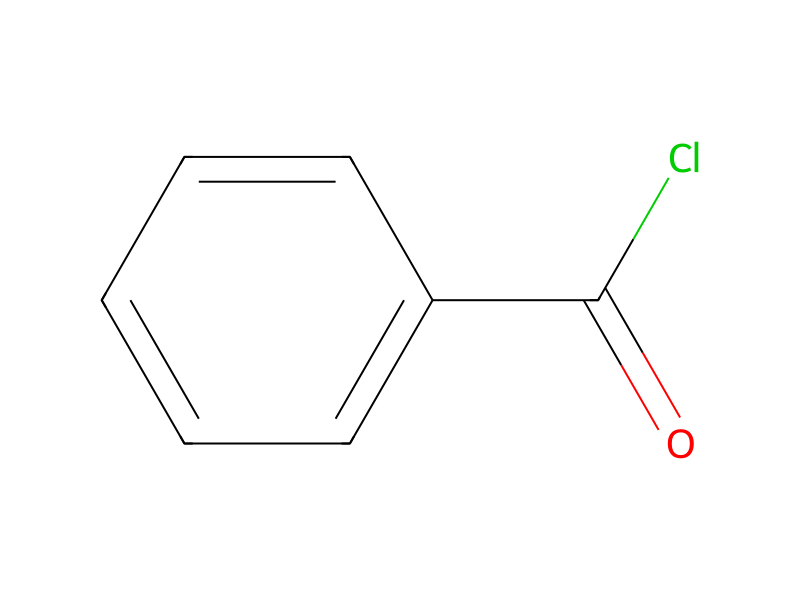
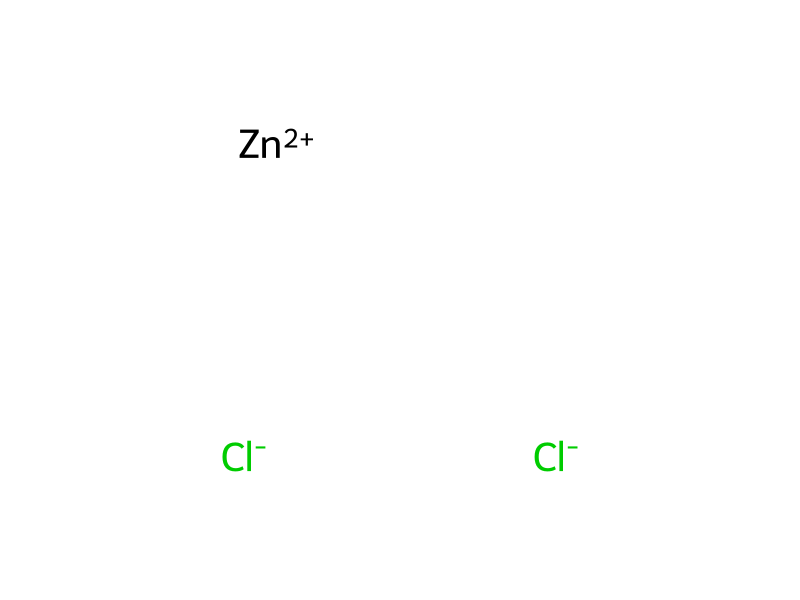
1,3,6-Trimethylpyrimidine-2,4(1H,3H)-dione (step 1) (5 g, 32.4 mmol) and chlorobenzene (50 mL) were charged to a 3 necked flask, and the vessel evacuated with nitrogen. Benzoyl chloride (commercial) (11.2 mL, 97 mmol) was added followed by zinc (II) chloride (5 g, 36.7 mmol) in one portion and the reaction was heated to 110° C. for 16 h. The reaction was cooled to RT then poured into water (100 mL) and EtOAc (100 mL). The layers were separated and the aqueous extracted with EtOAc (2×150 mL). The combined organics were washed with water (100 mL) and dried (Na2SO4), filtered under reduced pressure and evaporated to leave an orange solid. The solid was washed with hexane followed by hot diethyl ether, affording the product as an off white solid. The mother liquors were further purified by chromatography on silica, eluting with 10%-100% EtOAc/hexane. The title product was obtained as a pale orange solid.