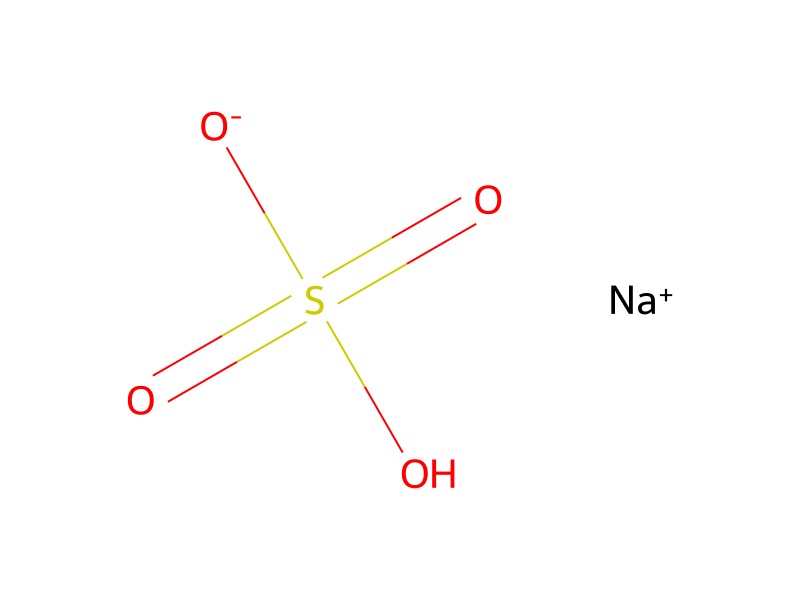
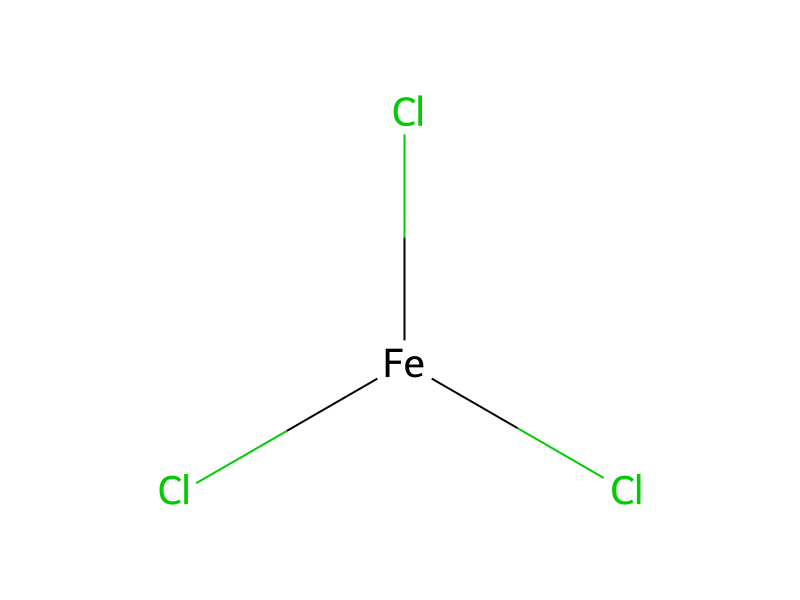
A three neck flask was charged with 2-nitrobiphenyl (1 mol), iron trichloride (55 mmol), and water (200 mL) and set to stir under a nitrogen atmosphere for 30 minutes. Bromine (1.25 mol) was added dropwise over the course of one hour, then set to reflux for four hours, cooled to 60° C., and stirred for 12 hours. Sodium bisulfate (500 mmol) was added slowly, and the mixture rinsed three times with water (200 mL), twice with 5% sodium hydroxide solution (100 ml) and twice more with water (200 mL). The solids were dissolved in dichloromethane, dried over magnesium sulfate, and flashed chromatographed over silica with dichloromethane as the eluent. The solvent was removed under reduced pressure and the crude product recrystallized from ethanol to give 4′-bromo-2-nitrobiphenyl in 35% yield.