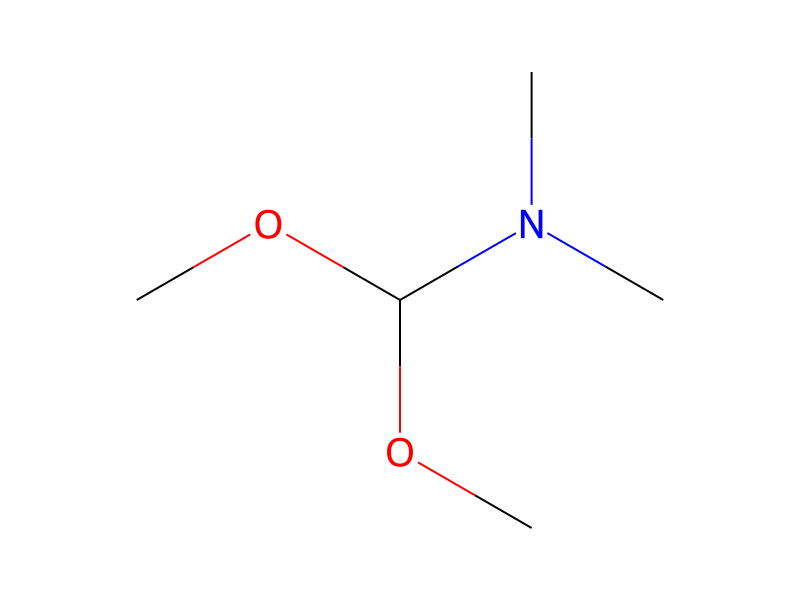
Dimethylformamide dimethyl acetal → HCID 69230482, compound
HRID 628824
Reaction equation

[C:1](C1C=CC(C(OC)=O)=CC=1)(=O)[CH3:2].COC(OC)N(C)C.CN(C)[CH:24]=[CH:25][C:26]([C:28]1[CH:36]=[CH:35][C:31]([C:32]([OH:34])=[O:33])=[CH:30][CH:29]=1)=O.[CH:38]([C:41]1[CH:49]=[CH:48][C:44]([C:45]([NH2:47])=[NH:46])=[CH:43][CH:42]=1)([CH3:40])[CH3:39]>C(O)C>[CH:38]([C:41]1[CH:49]=[CH:48][C:44]([C:45]2[N:47]=[C:26]([C:28]3[CH:36]=[CH:35][C:31]([C:32]([O:34][CH2:1][CH3:2])=[O:33])=[CH:30][CH:29]=3)[CH:25]=[CH:24][N:46]=2)=[CH:43][CH:42]=1)([CH3:40])[CH3:39]Participants
6
Reactant 4


Product 1

Reagents, catalysts & solvents 1
