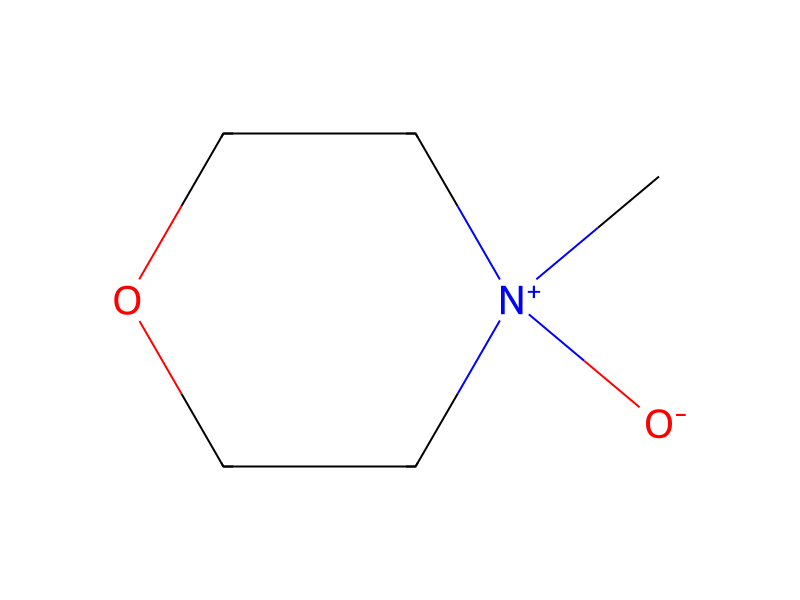
C[N+]1([O-])CC[O:5]CC1.[CH2:9]([C:12]1[C:13]([Cl:24])=[CH:14][N:15]=[C:16]2[C:21]=1[N:20]=[C:19]([O:22][CH3:23])[CH:18]=[CH:17]2)[CH:10]=C.[CH3:25][OH:26]>ClCCl.O.O.O.[Os](=O)(=O)=O.[K]>[Cl:24][C:13]1[CH:14]=[N:15][C:16]2[C:21]([C:12]=1[CH2:9][CH:10]([OH:5])[CH2:25][OH:26])=[N:20][C:19]([O:22][CH3:23])=[CH:18][CH:17]=2N-Methylmorpholine-N-oxide (0.76 g, 64.0 mmol, 1.5 eq) is added at room temperature to a stirred solution of 8-allyl-7-chloro-2-methoxy-[1,5]naphthyridine (1.0 g, 4.26 mmol, 1.0 eq) in dichloromethane (40 mL) and water (4 mL), followed by potassium osmium(VI) oxide dihydrate (80 mg, 0.23 mmol, 0.05 eq). After 16 hours stirring at room temperature, the reaction mixture is extracted with dichloromethane (3×20 mL) and a saturated sodium sulfite aqueous solution (20 mL). The combined organic layers are washed with brine, dried over sodium sulfate, filtered and concentrated to give a crude product that is purified by column chromatography (silica gel, eluent: dichloromethane:methanol, 40:1, v/v) to afford 3-(3-chloro-6-methoxy-[1,5]naphthyridin-4-yl)-propane-1,2-diol as a light yellow solid (1.1 g, 96% yield).