5-Amino-4-fluoro-2-methylphenol → HCID 86756355, compound
HRID 634718
Reaction equation

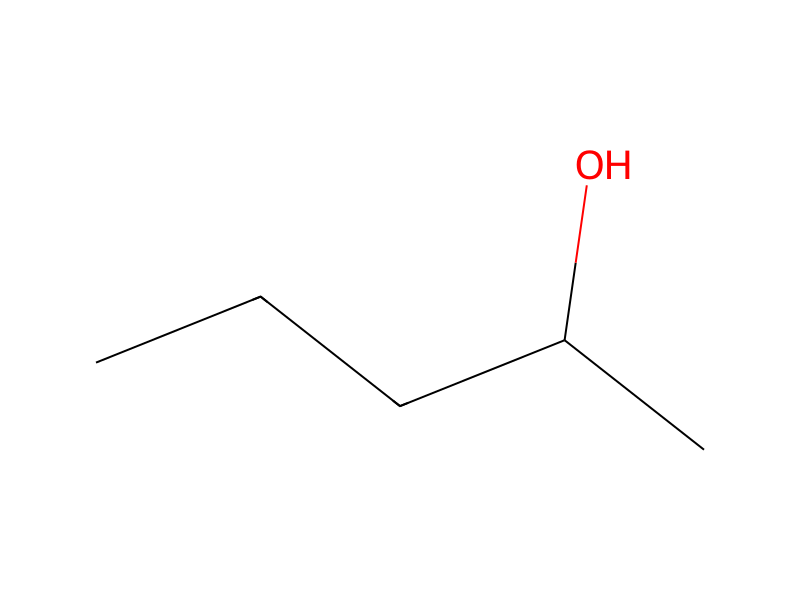
Cl.[Cl:2][C:3]1[C:12]2[C:7](=[CH:8][C:9]([O:13][CH2:14][CH2:15][O:16][CH3:17])=[CH:10][CH:11]=2)[N:6]=[CH:5][N:4]=1.[F:18][C:19]1[CH:25]=[C:24]([CH3:26])[C:23]([OH:27])=[CH:22][C:20]=1[NH2:21]>CC(O)CCC>[ClH:2].[F:18][C:19]1[CH:25]=[C:24]([CH3:26])[C:23]([OH:27])=[CH:22][C:20]=1[NH:21][C:3]1[C:12]2[C:7](=[CH:8][C:9]([O:13][CH2:14][CH2:15][O:16][CH3:17])=[CH:10][CH:11]=2)[N:6]=[CH:5][N:4]=1Participants
4
Reactant 2


Product 1

Reagents, catalysts & solvents 1
Procedure
A solution of 4-chloro-7-(2-methoxyethoxy)quinazoline hydrochloride (275 mg, 1 mmol) and 2-fluoro-5-hydroxy4-methylaniline (170 mg, 1.2 mmol), (prepared as described for the starting material in Example 8), in 2-pentanol (5 ml) was heated at reflux for 2 hours. The mixture was allowed to cool and the precipitate was collected by filtration, washed with isopropanol and ether, and dried under vacuum at 70° C. to give 4-(2-fluoro-5-hydroxy-4-methylanilino)-7-(2-methoxyethoxy)quinazoline hydrochloride(295 mg, 78%) as a cream solid.