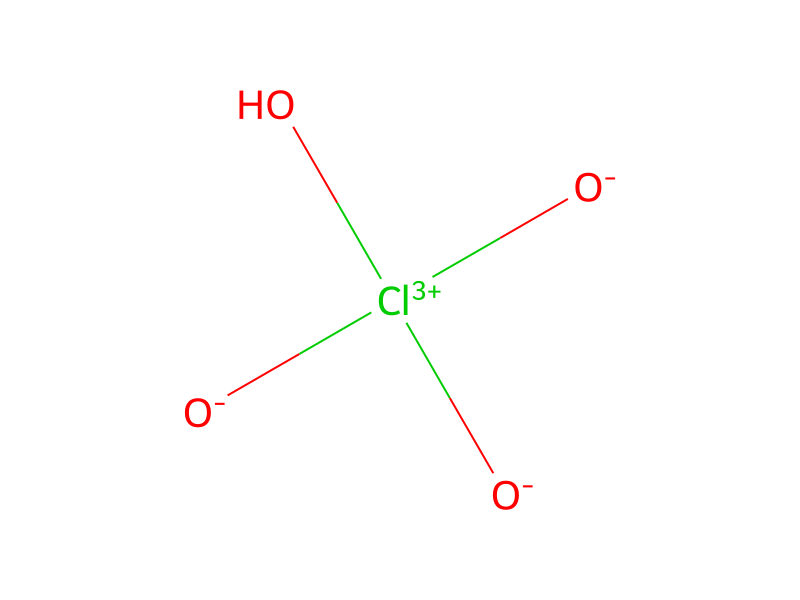
[OH:1][CH2:2][CH2:3][CH2:4][CH2:5][CH2:6][CH2:7][CH2:8][CH2:9][CH2:10][CH2:11][CH2:12][C:13]([C:15]1[C:20]([OH:21])=[C:19]([O:22][CH3:23])[C:18]([O:24][CH3:25])=[CH:17][C:16]=1[CH3:26])=O.Cl(O)(=O)(=O)=O.[C:32](O)(=[O:34])[CH3:33]>[C].[Pd]>[C:32]([O:1][CH2:2][CH2:3][CH2:4][CH2:5][CH2:6][CH2:7][CH2:8][CH2:9][CH2:10][CH2:11][CH2:12][CH2:13][C:15]1[C:20]([OH:21])=[C:19]([O:22][CH3:23])[C:18]([O:24][CH3:25])=[CH:17][C:16]=1[CH3:26])(=[O:34])[CH3:33]To a solution of 6-(12-hydroxy-1-oxododecyl)-2,3-dimethoxy-5-methylphenol (6.4 g) in acetic acid (150 ml) are added 5% palladium-carbon (50% hydrous) (1.1 g) and 70% perchloric acid (0.1 ml) and the mixture is subjected to the catalytic reduction at atmospheric temperature and pressure. After the absorption of hydrogen has been completed, the catalyst is filtered off and the filtrate is concentrated under reduced pressure. The residue is extracted with dichloromethane and the dichloromethane layer is washed with a 5% aqueous solution of sodium hydrogen carbonate and dried over anhydrous magnesium sulfate. The solvent is distilled off to give 6-(12-acetoxydodecyl)-2,3-dimethoxy-5-methylphenol (6.8 g) as a colorless oil.