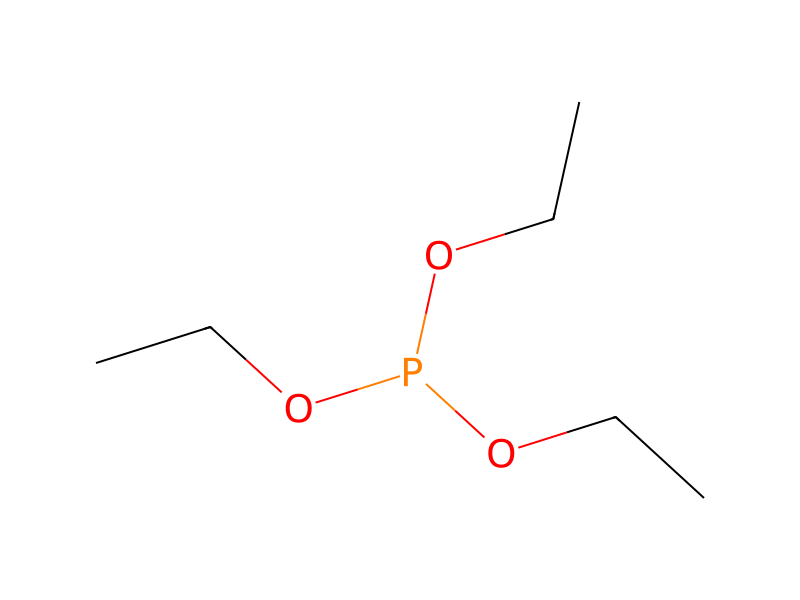
A round bottom flask was charged with 4′-bromo-2-nitro-1,1′-biphenyl (14.5 g, 52.1 mmol), triethyl phosphite (50 g, 301 mmol) and heated to reflux under nitrogen overnight. The reaction mixture was allowed to cool to room temperature (20-25° C.) and 60 mL of 6 N HCl was added dropwise. The reaction mixture was then heated to 80° C. for 3 hours. The reaction mixture was then cooled to 5° C. and neutralized with 50% NaOH, diluted with deionized water and extracted with 3×150 mL EtOAc. The combined extracts were washed with 150 mL deionized water and 150 mL brine, dried over MgSO4 and evaporated to dryness. The lower boiling impurities were removed by Kugelrohr distillation and the residue was subjected to a column chromatography (SiO2 gel, 9/1 hexane/EtOAc) to yield 8.4 g (65%) of 2-Bromo-9H-carbazole as an off-white solid. The product was confirmed by GC/MS and NMR.