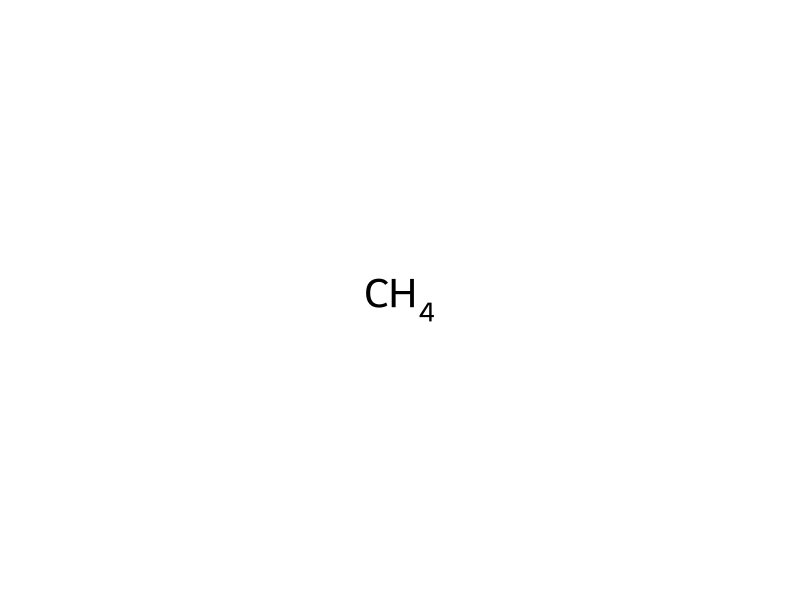
Methane → 1,3-dihydro-4-(1-propyl-piperidin-4-yl)-2H-indol-2-one hydrochloride
HRID 648951
Reaction equation

[ClH:1].[CH2:2]([N:5]1[CH2:10][CH:9]=[C:8]([C:11]2[CH:19]=[CH:18][CH:17]=[C:16]3[C:12]=2[CH2:13][C:14](=[O:20])[NH:15]3)[CH2:7][CH2:6]1)[CH2:3][CH3:4].C>C(O)C>[ClH:1].[CH2:2]([N:5]1[CH2:10][CH2:9][CH:8]([C:11]2[CH:19]=[CH:18][CH:17]=[C:16]3[C:12]=2[CH2:13][C:14](=[O:20])[NH:15]3)[CH2:7][CH2:6]1)[CH2:3][CH3:4]Participants
4
Reactant 2

Product 1

Reagents, catalysts & solvents 1

Procedure
1.69 g of the hydrochloride of Example 22 were hydrogenated in 300 ml of ethanol in the presence of 0.8 g of 10% palladized charcoal and the mixture was filtered. The filtrate was evaporated to dryness and the product was crystallized from ethanol to obtain 1.24 g of 1,3-dihydro-4-(1-propyl-piperidin-4-yl)-2H-indol-2-one hydrochloride melting at 270°-275° C.