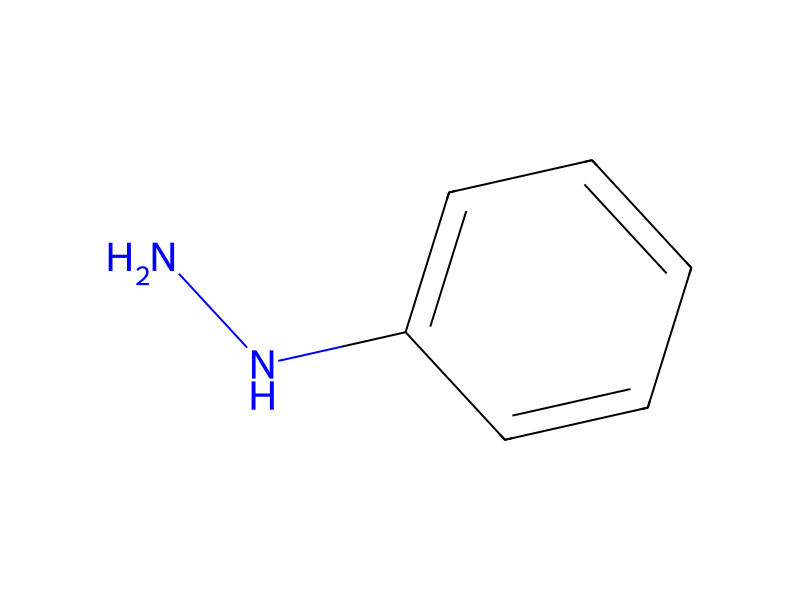
A mixture of the compound of formula 3, 1-methyl-2-oxocycloheptaneacetic acid methyl ester (16 g, 0.08 mole), described in Example 10, phenylhydrazine hydrochloride (12 g, 0.08 mole), phenylhydrazine (8 g, 0.07 mole) and anhydrous ethanol (100 ml) is heated at reflux for 20 hr. After cooling, water is added and the reaction mixture is extracted with benzene (2X). Evaporation to dryness of the organic layer affords a residue. The residue is heated with a 20% sulfuric acid solution (230 ml) at reflux (oil bath at 150° C.) for 1 hr. The reaction mixture is poured on ice and extracted with benzene and ether. Evaporation to dryness affords a residue which is subjected to chromatography on silica gel (500 g) using benzene as eluant. The title compound, νmaxCHCl3 1736 cm-1 is eluted first, followed by 2,2a,3,4,5,6-hexahydro-2a-methyl-1H-10b-azabenzo[a]cyclopent[d]azulen-1-one (6, R1 = CH3, R2 and R3 = H, m = 4 and n = 1), nmr (CDCl3) δ 1.42 (s, 3H), 2.90 (s, 2H), 7.0-7.7 (m, 3H), 7.9-8.2 (m, 1H), followed by 2,4,4a,5,6,7,8,9-octahydro-4a-methyl-2-phenyl-3H-cyclohepta[c]pyridazin-3-one (14, R1 = CH3, R2 and R3 = H and m = 4), nmr (CDCl3) δ 1.18 (s, 3H), 2.18 (d, J = 16.5, 2H), 7.1-7.7 (m, 5H).