Reaction equation
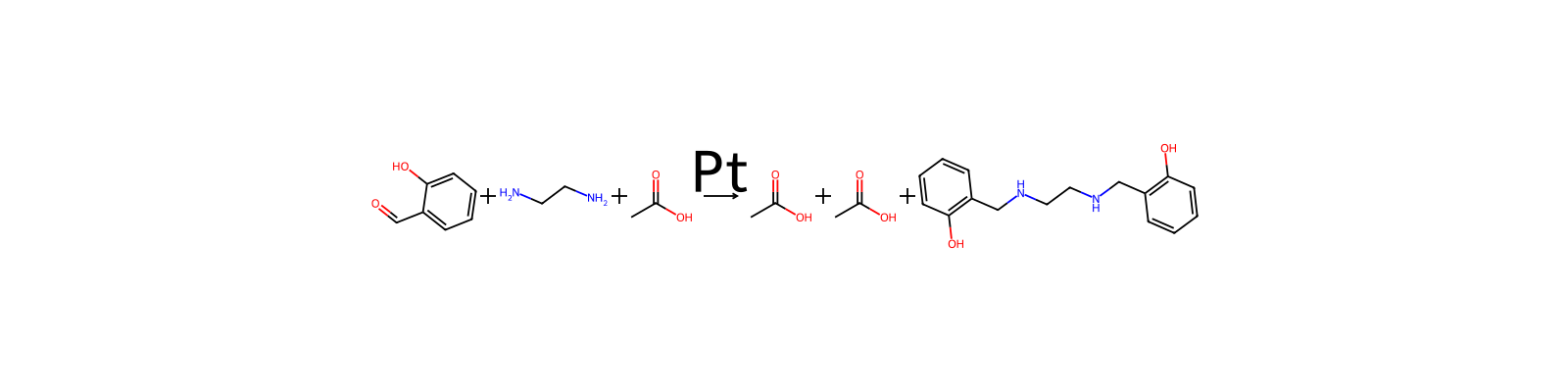
[CH:1](=O)[C:2]1[C:3](=[CH:5][CH:6]=[CH:7][CH:8]=1)[OH:4].[CH2:10]([NH2:13])[CH2:11][NH2:12].[C:14]([OH:17])(=[O:16])[CH3:15]>[Pt]>[C:14]([OH:17])(=[O:16])[CH3:15].[C:14]([OH:17])(=[O:16])[CH3:15].[OH:4][C:3]1[CH:5]=[CH:6][CH:7]=[CH:8][C:2]=1[CH2:1][NH:12][CH2:11][CH2:10][NH:13][CH2:5][C:3]1[CH:2]=[CH:8][CH:7]=[CH:15][C:14]=1[OH:17]Participants
Reactant 3

Product 1

Reagents, catalysts & solvents 1

Procedure
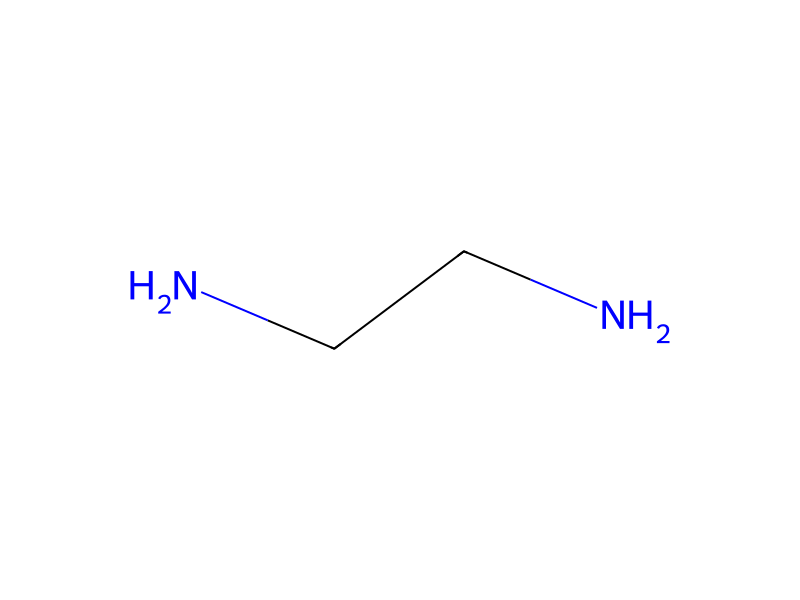
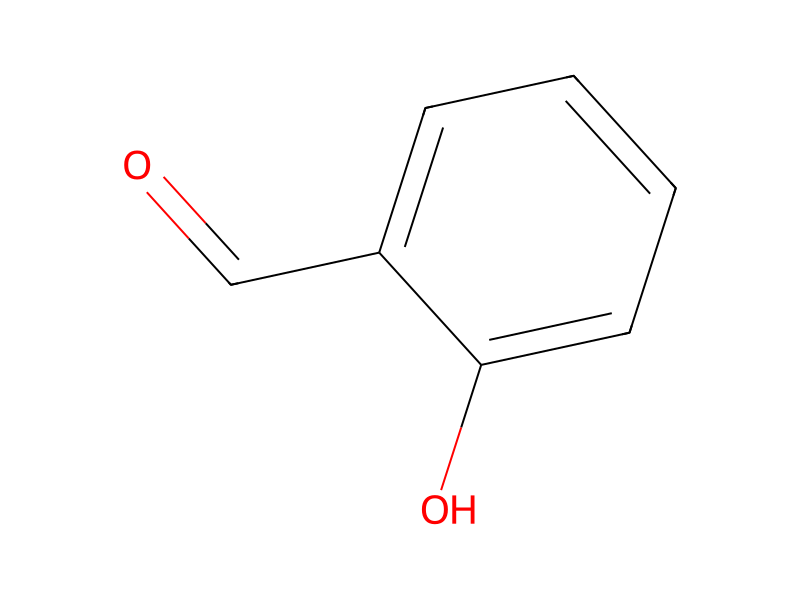
40.8 g of a bisazomethine prepared from 2 moles of salicylaldehyde and 1 mol of ethylenediamine and having a melting point of 127° C. are hydrogenated, at atmospheric pressure in a hydrogenation flask, in 200 ml of glacial acetic acid in the presence of 1.36 g of 10% platinum/charcoal catalyst at 25° C. After 12 hours, the catalyst is filtered off and used to hydrogenate a further 81.6 g of bisazomethine in 400 ml of glacial acetic acid. After 20 hours, the completely hydrogenated solution is separated from the catalyst and concentrated, together with the above filtrate, in a rotary evaporator. The solid residue is recrystallised from 700 ml of isopropanol, the mother liquor concentrated three times and the products are dried at 90° C. in vacuo, affording a total of 162.2 g of N,N'-bis-(2-hydroxybenzyl)-ethylenediamine diacetate which melts in the range of 120°-130° C.
Workup
- filtrationthe catalyst is filtered off
- waitAfter 20 hours
- customthe completely hydrogenated solution is separated from the catalyst
- concentrationconcentrated, together with the above filtrate, in a rotary evaporator
- customThe solid residue is recrystallised from 700 ml of isopropanol
- concentrationthe mother liquor concentrated three times
- customthe products are dried at 90° C. in vacuo
Sources & evidence
- ORD record
- ord-d0dada0702954dd4af7f2bda557c7e5a
- Source dataset
- uspto-grants-1978_12
- Patent number
- US04129556
Linked notes
Loading…